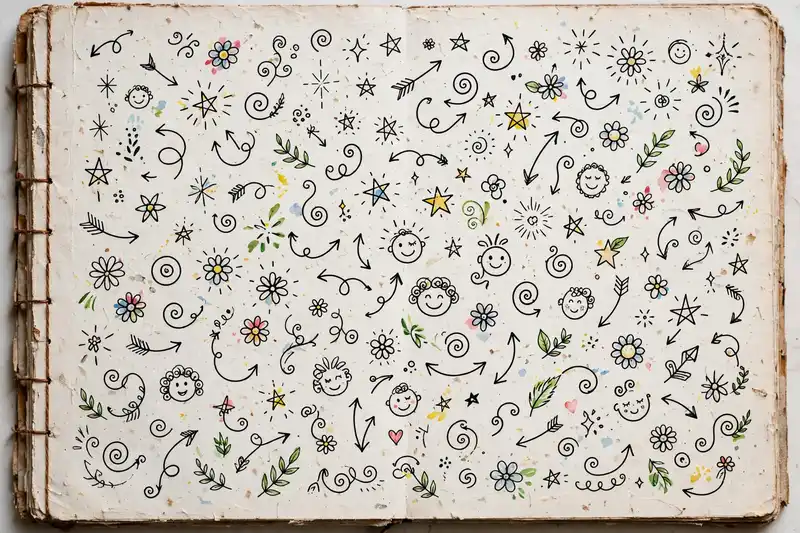
Learning doodle art ideas is one of the most rewarding ways to grow as an artist, whether you are picking up a pencil for the first time or returning to drawing after a break. This guide walks through the ideas, tools, and practice habits that make doodle art ideas approachable, enjoyable, and genuinely useful in real artwork.
You do not need expensive equipment or years of training to begin. What you need is a clear starting point, a few simple exercises, and a habit of looking closely at your subject. A good companion skill is sketching for beginners, which builds the same hand control and observation you will use here.
By the end of this guide, you will understand how doodle art ideas works, which materials suit it best, and how to practice in short sessions that fit a busy week. You will also find related ideas, such as charcoal drawing techniques, to explore once the basics feel comfortable.
What Is Doodle Art Ideas?
Doodle art is free, playful drawing without rules or pressure. Stars, faces, arrows, plants, and swirls can fill a page in any combination, and the charm lies in spontaneity rather than perfection.
Doodling is also genuinely useful. It keeps your hand loose, sparks ideas for larger projects, and turns waiting time, phone calls, and journal pages into low-pressure creative practice that anyone can enjoy.
That is why doodle art ideas suits artists at every level. Beginners gain a structured way to practice, while experienced artists use it to sharpen observation, experiment with new materials, or break out of a creative rut. The key is to start simple, work slowly, and judge progress over weeks rather than single sessions.
Tools and Materials for Doodle Art Ideas
You can begin doodle art ideas with a small, affordable kit. The list below covers the essentials; add specialty items only after you know which parts of the process you enjoy most.
- A sketchbook or journal you like carrying
- Pens in a few sizes, plus one or two colors you love
- Colored pencils or markers for accents
- Sticky notes or scrap paper for quick doodles
- A list of prompts to beat blank-page hesitation
Keep your kit together in one bag or box so practice feels easy to start. When setup takes only a minute, you are far more likely to draw every day.
Core Doodle Art Ideas Methods
The core of doodle art ideas comes down to a handful of methods. Practice each one separately first, then combine them in finished pieces. A related guide worth reading alongside this section is colored pencil drawing.
Themed doodle pages
Fill a page with one theme, such as the sea, space, food, or plants. A theme gives direction while leaving every individual doodle free and spontaneous.
When you practice themed doodle pages, work on a small test piece before using it in a finished drawing. Notice how pressure, speed, and tool choice change the result, and keep the test beside you as a reference. Small, deliberate experiments like this build confidence faster than rushing into a large piece and hoping it works out.
Doodle patterns
Repeat a simple motif, like leaves or dots, across a page to create a pattern. Pattern doodling bridges casual doodling and more structured decorative art.
When you practice doodle patterns, work on a small test piece before using it in a finished drawing. Notice how pressure, speed, and tool choice change the result, and keep the test beside you as a reference. Small, deliberate experiments like this build confidence faster than rushing into a large piece and hoping it works out.
Character doodles
Invent small faces and creatures from circles, lines, and expressions. Tiny characters are quick, funny, and endlessly varied.
When you practice character doodles, work on a small test piece before using it in a finished drawing. Notice how pressure, speed, and tool choice change the result, and keep the test beside you as a reference. Small, deliberate experiments like this build confidence faster than rushing into a large piece and hoping it works out.
As you explore the realm of doodle art, you may find that the principles of creativity and self-expression extend beyond the confines of paper and pencil. Just as doodling encourages freeform artistic exploration and enhances observational skills, other hands-on crafts can ignite the same sense of joy and accomplishment. For instance, if you’re seeking a vibrant way to express your creativity through color and texture, consider diving into the exciting world of fabric art. Learning the basics of tie dye for beginners not only complements your doodling practice but also introduces a new dimension to your artistic repertoire, allowing you to translate your imaginative designs into wearable art. Both practices celebrate spontaneity and innovation, making them perfect companions in your creative journey.
As you immerse yourself in the world of doodle art, it’s essential to recognize that your artistic journey can extend beyond the sketchbook and into more complex mediums. While doodling fosters creativity and hand-eye coordination, the skills you cultivate can seamlessly translate into other artistic endeavors, such as painting. To ensure that your vibrant doodles evolve into stunning finished pieces, understanding the nuances of canvas preparation becomes crucial. Proper acrylic canvas preparation not only enhances the durability of your artwork but also elevates the overall quality and vibrancy of the colors you use. This knowledge empowers you to take your doodles to the next level, bridging the gap between spontaneous sketches and polished, gallery-worthy paintings.
As you delve into the world of doodle art, you may find that your creative journey can seamlessly transition into other expressive forms, enriching your artistic repertoire. For instance, once you’ve mastered the fluidity and spontaneity of doodles, you might consider exploring the dynamic realm of textural painting techniques. Engaging with mediums such as palette knife painting allows you to expand your artistic skill set, introducing you to the bold, tactile nature of impasto art. This not only enhances your understanding of color and form but also provides a new avenue to express your unique artistic voice. The interplay between these different techniques can foster a deeper appreciation for the creative process, inviting experimentation and innovation in your artwork.
As you delve into the world of doodle art, you may find that the principles of observation and hand control you develop can significantly enhance your artistic repertoire, particularly when it comes to more complex subjects like animal anatomy. Understanding the intricacies of how animals are structured, including their skeletons, muscles, and movement patterns, can elevate your doodles from simple sketches to more dynamic representations. This foundational knowledge not only aids in creating more lifelike forms but also enriches your overall artistic expression. For those eager to expand their skills beyond doodling, exploring the realm of animal anatomy drawing can provide invaluable insights into the natural world, bridging the gap between whimsical art and realism. With practice, you’ll find that the ability to capture the essence of movement and form can transform your approach to doodling, allowing for a more profound connection between your artistic vision and the subjects you wish to portray.
Doodle lettering
Combine words with doodles by decorating letters with flowers, stars, or borders. Doodle lettering suits journals, cards, and gifts.
When you practice doodle lettering, work on a small test piece before using it in a finished drawing. Notice how pressure, speed, and tool choice change the result, and keep the test beside you as a reference. Small, deliberate experiments like this build confidence faster than rushing into a large piece and hoping it works out.
Doodle Art Ideas Step by Step
Follow this workflow for your first few finished pieces. Once the steps feel familiar, adapt the order to suit your own habits.
- Pick a theme or a single prompt word for the page.
- Start with the easiest doodle you can think of to break the ice.
- Fill the page gradually, mixing large and small doodles.
- Add color accents only where they feel fun, not everywhere.
- Step back and notice which doodles you want to develop further.
After your first attempt, compare the result with your subject and note one improvement for next time. That single note is often more valuable than a long list of corrections, and it keeps practice focused. For broader drawing foundations, junk journal ideas is a helpful next read.
Common Doodle Art Ideas Mistakes to Avoid
Every artist makes the same handful of mistakes when learning a new method. Knowing them in advance helps you spot them early, while they are still easy to fix.
- Trying to make every doodle perfect, which kills the playful spirit.
- Filling every inch with the same size doodle, which looks monotonous.
- Using materials you dislike, which makes doodling feel like a chore.
- Waiting for inspiration instead of starting with the simplest mark.
If a drawing goes wrong, treat it as information rather than failure. Save it, note what happened, and try the same subject again with one change. Artists who learn this way improve steadily, and guides such as origami for beginners show how the same patient approach works in other media.
A Simple Doodle Art Ideas Practice Plan
A simple weekly plan works better than occasional long sessions. Try three short sessions of twenty to thirty minutes, each focused on one skill: one for observation, one for technique, and one for a finished piece. Short sessions keep your hand fresh and your attention sharp.
Keep a practice sketchbook separate from finished work, and date your pages. Looking back over a month of dated practice is one of the best motivators, because progress that feels invisible day by day becomes obvious across weeks. If you enjoy structured practice, how to draw faces pairs naturally with this routine.
Share your work occasionally, even if it feels unfinished. Feedback from other artists, a local class, or an online community often highlights strengths you overlooked and suggests the next skill worth practicing.
Tips for Better Doodle Art Ideas Results
These tips help you get more from every session, whether you are practicing at a desk, outdoors, or in a classroom.
- Keep a daily doodle page for one month and watch your style emerge.
- Doodle during phone calls or while listening to music.
- Turn favorite doodles into stickers, cards, or journal decorations.
- Doodle with a friend and swap pages for extra ideas.
Frequently Asked Questions About Doodle Art Ideas
How long does it take to learn doodle art ideas?
Most beginners notice real improvement within a few weeks of regular practice, though mastery takes much longer and that is perfectly normal. Focus on steady progress rather than speed: a few short sessions each week will teach you more than one long, exhausting session. Keep early work to compare later, and you will see growth sooner than you expect.
What materials do I need to start doodle art ideas?
You need only basic, affordable materials to begin doodle art ideas, and the tools list earlier in this guide covers them. Start simple, learn what you enjoy, and add specialty supplies gradually as your skills and interests develop. Expensive materials never replace practice, so invest your time first and your money second.
Can beginners try doodle art ideas?
Yes, doodle art ideas is well suited to beginners, because the basic ideas are simple even though skilled work takes practice. Start with easy subjects, follow the step-by-step workflow in this guide, and accept imperfect early results as part of learning. Every experienced artist started with the same first, uncertain attempts.
How often should I practice doodle art ideas?
Three short sessions a week is a realistic and effective rhythm for most people learning doodle art ideas. Short, focused practice keeps your hand loose and your eye sharp without turning drawing into a chore. If you miss a week, simply return to the next session without guilt — consistency over months matters far more than perfection in any single week.
Related Drawing Guides
Keep exploring with mixed media art for beginners, landscape painting for beginners, bedroom wall art ideas, modern abstract art trends 2026, botanical illustration for beginners, perspective drawing basics, pottery for beginners. Each of these guides builds a skill that complements doodle art ideas, and working through them in any order will broaden your drawing toolkit.
Final Thoughts on Doodle Art Ideas
Doodle Art Ideas rewards patience, observation, and regular practice more than talent or expensive materials. Start with simple subjects, practice the core methods one at a time, and let your skills grow through short, enjoyable sessions. Your next drawing will be better than your last — and the one after that better still.