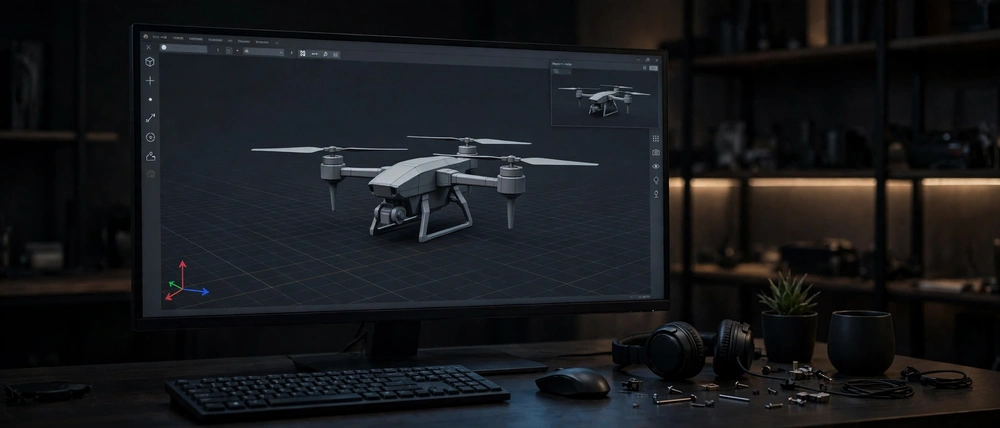
Learning blender 3d guide is one of the most rewarding ways to grow as a creative, whether you are starting fresh or building on skills you already have. This guide walks through the ideas, tools, and practice habits that make blender 3d guide approachable, enjoyable, and genuinely useful in real projects.
You do not need expensive tools or years of training to begin. What you need is a clear starting point, a few simple exercises, and a habit of studying work you admire. A good companion topic is how to use Midjourney, which builds related creative judgment you will use here.
By the end of this guide, you will understand how blender 3d guide works, which tools suit it best, and how to practice in short sessions that fit a busy week. You will also find related ideas, such as how to start digital art in 2026, to explore once the basics feel comfortable.
What Is Blender 3D Guide?
Blender is a free, powerful program for modeling, animation, and rendering, used by hobbyists and professionals alike. Its depth can intimidate newcomers, but a structured start makes it approachable.
The key is to learn Blender in layers: navigation first, then modeling, then materials and lighting. Trying to learn everything at once is the most common reason beginners stall.
That is why blender 3d guide suits creators at every level. Beginners gain a structured way to practice, while experienced creators use it to sharpen judgment, try new approaches, or break out of a creative rut. The key is to start simple, work steadily, and judge progress over weeks rather than single sessions.
Tools and Materials for Blender 3D Guide
You can begin blender 3d guide with a small, affordable kit. The list below covers the essentials; add specialty items only after you know which parts of the process you enjoy most.
- Blender, downloaded free from its official site
- A three-button mouse for viewport navigation
- A beginner tutorial series matched to your Blender version
- Reference images for practice projects
- A project folder with dated saves
Keep your kit and files organized in one place so practice feels easy to start. When setup takes only a minute, you are far more likely to create every day.
Core Blender 3D Guide Methods
The core of blender 3d guide comes down to a handful of methods. Practice each one separately first, then combine them in finished pieces. A related guide worth reading alongside this section is best drawing tablets.
Viewport navigation
Master orbiting, panning, and zooming until they feel natural. Confident navigation removes friction from every later skill in Blender.
When you practice viewport navigation, try it on a small test piece before using it in a finished project. Notice how small choices change the result, and keep the test beside you as a reference. Small, deliberate experiments like this build confidence faster than rushing into a large piece and hoping it works out.
Object and edit modes
Use object mode to arrange whole objects and edit mode to shape their geometry. Knowing which mode you are in prevents many beginner errors.
When you practice object and edit modes, try it on a small test piece before using it in a finished project. Notice how small choices change the result, and keep the test beside you as a reference. Small, deliberate experiments like this build confidence faster than rushing into a large piece and hoping it works out.
Materials and shading
Assign simple materials and learn how roughness and color affect appearance. Start with a few materials before exploring complex node setups.
When you practice materials and shading, try it on a small test piece before using it in a finished project. Notice how small choices change the result, and keep the test beside you as a reference. Small, deliberate experiments like this build confidence faster than rushing into a large piece and hoping it works out.
Lighting and rendering
Use a simple three-point light setup and the Eevee renderer for fast previews. Render early and often to catch problems while they are cheap to fix.
When you practice lighting and rendering, try it on a small test piece before using it in a finished project. Notice how small choices change the result, and keep the test beside you as a reference. Small, deliberate experiments like this build confidence faster than rushing into a large piece and hoping it works out.
Blender 3D Guide Step by Step
Follow this workflow for your first few finished pieces. Once the steps feel familiar, adapt the order to suit your own habits.
- Install Blender and complete a navigation exercise.
- Model a simple scene with a few objects.
- Assign materials and set up basic lighting.
- Render a preview and note what to improve.
- Save the project and try a second scene with new skills.
After your first attempt, compare the result with your goal and note one improvement for next time. That single note is often more valuable than a long list of corrections, and it keeps practice focused. For broader creative foundations, Procreate drawing tutorial for beginners is a helpful next read.
Common Blender 3D Guide Mistakes to Avoid
Every creator makes the same handful of mistakes when learning a new method. Knowing them in advance helps you spot them early, while they are still easy to fix.
- Learning from tutorials for a different Blender version.
- Modeling before learning viewport navigation.
- Using overly complex node setups too early.
- Rendering only at the end, when fixes are costly.
If a project goes wrong, treat it as information rather than failure. Save it, note what happened, and try again with one change. Creators who learn this way improve steadily, and guides such as sketching for beginners show how the same patient approach works in other media.
A Simple Blender 3D Guide Practice Plan
A simple weekly plan works better than occasional long sessions. Try three short sessions of twenty to thirty minutes, each focused on one skill: one for study, one for technique, and one for a finished piece. Short sessions keep your attention sharp.
Keep a practice folder separate from finished work, and date your files. Looking back over a month of dated practice is one of the best motivators, because progress that feels invisible day by day becomes obvious across weeks. If you enjoy structured practice, charcoal drawing techniques pairs naturally with this routine.
Share your work occasionally, even if it feels unfinished. Feedback from other creators, a local class, or an online community often highlights strengths you overlooked and suggests the next skill worth practicing.
Tips for Better Blender 3D Guide Results
These tips help you get more from every session, whether you are working at a desk, outdoors, or in a classroom.
- Save a new version before risky experiments.
- Use keyboard shortcuts gradually, a few at a time.
- Render small test images while working.
- Follow one tutorial series to completion before branching out.
Frequently Asked Questions About Blender 3D Guide
How long does it take to learn blender 3d guide?
Most beginners notice real improvement within a few weeks of regular practice, though mastery takes much longer and that is perfectly normal. Focus on steady progress rather than speed: a few short sessions each week will teach you more than one long, exhausting session.
What tools do I need to start blender 3d guide?
You need only basic, affordable tools to begin blender 3d guide, and the list earlier in this guide covers them. Start simple, learn what you enjoy, and add specialty supplies gradually as your skills develop. Expensive tools never replace practice, so invest your time first and your money second.
Can beginners try blender 3d guide?
Yes, blender 3d guide is well suited to beginners, because the basic ideas are simple even though skilled work takes practice. Start with easy projects, follow the step-by-step workflow in this guide, and accept imperfect early results as part of learning.
How often should I practice blender 3d guide?
Three short sessions a week is a realistic and effective rhythm for most people learning blender 3d guide. Short, focused practice keeps your skills fresh without turning creativity into a chore. If you miss a week, simply return to the next session without guilt.
Related Design Guides
Keep exploring with perspective drawing basics, figure drawing for beginners, still life drawing for beginners, mixed media art for beginners, botanical illustration for beginners, ink drawing techniques for beginners, phone photography tips. Each of these guides builds a skill that complements blender 3d guide, and working through them in any order will broaden your creative toolkit.
Final Thoughts on Blender 3D Guide
Blender 3D Guide rewards patience, observation, and regular practice more than talent or expensive tools. Start with simple projects, practice the core methods one at a time, and let your skills grow through short, enjoyable sessions. Your next project will be better than your last, and the one after that better still.
If you are ready to begin blender 3d guide, choose one small project for this week and finish it completely, even if it feels imperfect. A finished small project teaches more than an ambitious one left half done, and it gives you a real piece to learn from. Then pick the next skill from this guide, practice it in a short session, and keep building one finished piece at a time.