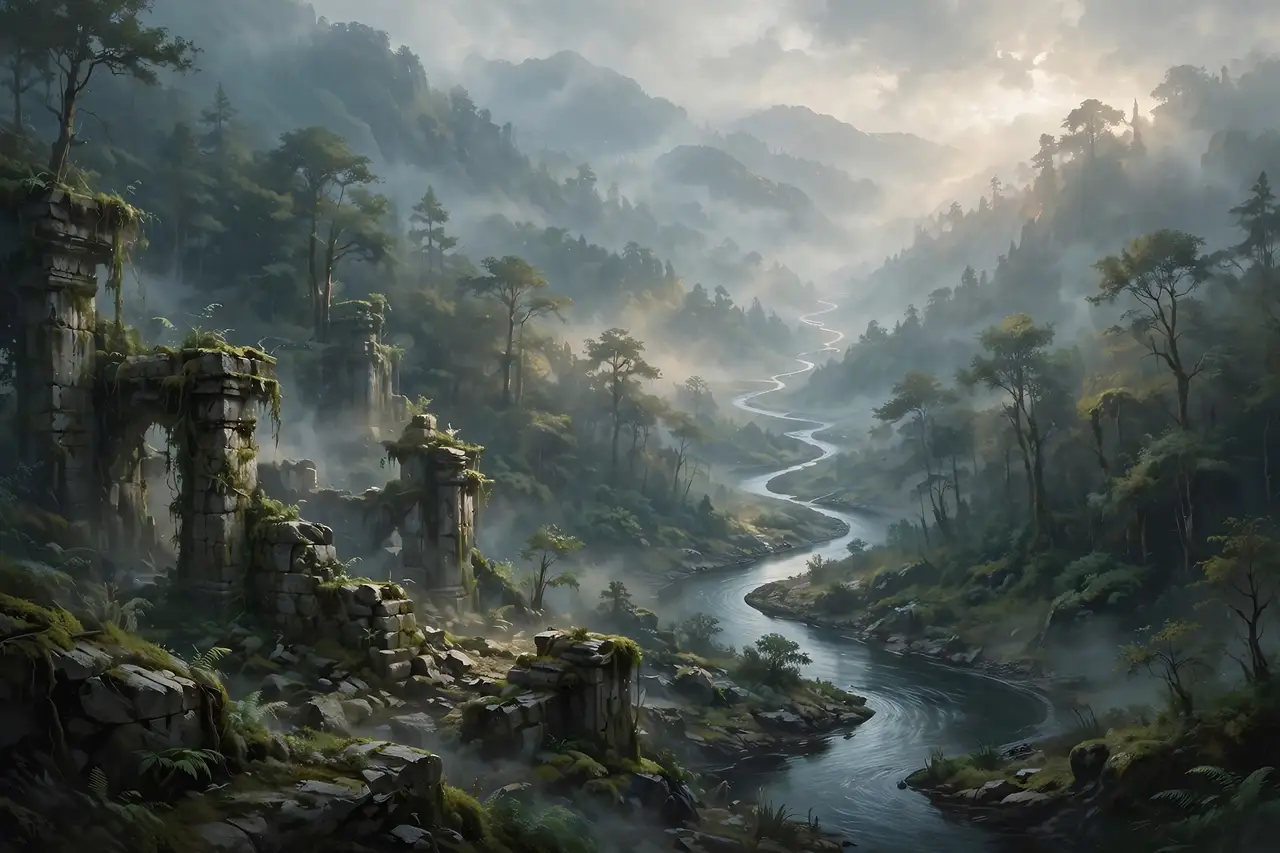
Learning environment concept art is one of the most rewarding ways to grow as an artist, whether you are picking up a pencil for the first time or returning to drawing after a break. This guide walks through the ideas, tools, and practice habits that make environment concept art approachable, enjoyable, and genuinely useful in real artwork.
You do not need expensive equipment or years of training to begin. What you need is a clear starting point, a few simple exercises, and a habit of looking closely at your subject. A good companion skill is landscape painting for beginners, which builds the same hand control and observation you will use here.
By the end of this guide, you will understand how environment concept art works, which materials suit it best, and how to practice in short sessions that fit a busy week. You will also find related ideas, such as perspective drawing basics, to explore once the basics feel comfortable.
What Is Environment Concept Art?
Environment concept art creates the places stories happen in: forests, cities, deserts, and alien worlds that must feel believable before a single 3D model is built. A strong environment painting gives a team a clear sense of mood, scale, materials, and light.
The craft combines landscape painting with design thinking. You are not just painting a pretty scene; you are answering questions about how a place works, who lives there, and what it feels like to stand inside it.
That is why environment concept art suits artists at every level. Beginners gain a structured way to practice, while experienced artists use it to sharpen observation, experiment with new materials, or break out of a creative rut. The key is to start simple, work slowly, and judge progress over weeks rather than single sessions.
Tools and Materials for Environment Concept Art
You can begin environment concept art with a small, affordable kit. The list below covers the essentials; add specialty items only after you know which parts of the process you enjoy most.
- A tablet and painting software with layers
- Reference photos of real landscapes and architecture
- A sketchbook for thumbnail compositions
- Brushes for foliage, rock, and atmospheric effects
- A perspective guide or grid for architectural scenes
Keep your kit together in one bag or box so practice feels easy to start. When setup takes only a minute, you are far more likely to draw every day.
Core Environment Concept Art Methods
The core of environment concept art comes down to a handful of methods. Practice each one separately first, then combine them in finished pieces. A related guide worth reading alongside this section is how to start digital art in 2026.
Composition and depth layers
Divide the scene into foreground, midground, and background, and give each layer a distinct value and level of detail. Layered depth is the fastest way to make a painted world feel vast and walkable.
When you practice composition and depth layers, work on a small test piece before using it in a finished drawing. Notice how pressure, speed, and tool choice change the result, and keep the test beside you as a reference. Small, deliberate experiments like this build confidence faster than rushing into a large piece and hoping it works out.
Atmosphere and light
Use haze, fog, and light color to separate distances and set mood. Warm light suggests a welcoming place, cold blue haze suggests mystery or danger, and consistent light ties the whole painting together.
When you practice atmosphere and light, work on a small test piece before using it in a finished drawing. Notice how pressure, speed, and tool choice change the result, and keep the test beside you as a reference. Small, deliberate experiments like this build confidence faster than rushing into a large piece and hoping it works out.
Scale figures and architecture
Add a tiny figure, doorway, or vehicle to show how large structures really are. Without scale cues, even a beautiful painting can feel confusing, because viewers cannot tell whether a shape is a hill or a mountain.
When you practice scale figures and architecture, work on a small test piece before using it in a finished drawing. Notice how pressure, speed, and tool choice change the result, and keep the test beside you as a reference. Small, deliberate experiments like this build confidence faster than rushing into a large piece and hoping it works out.
As you delve into the intricacies of environment concept art, it’s essential to recognize how this foundational skill seamlessly intertwines with the vibrant world of character creation. The landscapes and settings you master provide not just a backdrop, but a dynamic stage that enhances the narratives of the heroes, mages, and creatures you design. A well-crafted environment enriches the storytelling aspect of fantasy character design, where every detail in a character’s costume and demeanor can be influenced by their surroundings. By understanding the relationship between your environments and the characters that inhabit them, you cultivate a richer artistic perspective that elevates both disciplines, allowing for a more cohesive and immersive artistic expression. This holistic approach can lead to more compelling designs that resonate deeply with your audience, reinforcing the impact of your creative work.
As artists delve into the intricacies of environment concept art, they often find themselves inspired by the limitless possibilities of imaginative realms. This exploration not only enhances their technical skills but also ignites a passion for storytelling through visual landscapes. For those eager to expand their creative horizons, the transition from traditional environments to more speculative settings can be both exhilarating and challenging. Engaging with sci fi concept art allows artists to push the boundaries of their imagination, integrating advanced technology and alien ecosystems into their work. By embracing these futuristic themes, artists can cultivate a richer narrative depth, further elevating their artistry in both games and film. The fusion of realism with the fantastical opens up new avenues for expression, making the journey of creation not just a skill-building exercise, but a profound exploration of human creativity and vision.
Designing believable places
Ask how people reach a place, where water comes from, and what materials buildings use. Answering practical questions like these makes fantasy environments feel grounded rather than randomly decorated.
When you practice designing believable places, work on a small test piece before using it in a finished drawing. Notice how pressure, speed, and tool choice change the result, and keep the test beside you as a reference. Small, deliberate experiments like this build confidence faster than rushing into a large piece and hoping it works out.
Environment Concept Art Step by Step
Follow this workflow for your first few finished pieces. Once the steps feel familiar, adapt the order to suit your own habits.
- Read the brief and list the mood, scale, and key features.
- Draw thumbnails exploring viewpoints and compositions.
- Block in value layers from background to foreground.
- Add light, atmosphere, and scale figures.
- Refine the focal area and note materials for the team.
After your first attempt, compare the result with your subject and note one improvement for next time. That single note is often more valuable than a long list of corrections, and it keeps practice focused. For broader drawing foundations, best drawing tablets is a helpful next read.
Common Environment Concept Art Mistakes to Avoid
Every artist makes the same handful of mistakes when learning a new method. Knowing them in advance helps you spot them early, while they are still easy to fix.
- Painting every area in equal detail, so the eye has no rest.
- Forgetting scale figures, leaving sizes ambiguous.
- Using inconsistent light across the painting.
- Designing places with no thought for how they function.
If a drawing goes wrong, treat it as information rather than failure. Save it, note what happened, and try the same subject again with one change. Artists who learn this way improve steadily, and guides such as color theory for beginners show how the same patient approach works in other media.
A Simple Environment Concept Art Practice Plan
A simple weekly plan works better than occasional long sessions. Try three short sessions of twenty to thirty minutes, each focused on one skill: one for observation, one for technique, and one for a finished piece. Short sessions keep your hand fresh and your attention sharp.
Keep a practice sketchbook separate from finished work, and date your pages. Looking back over a month of dated practice is one of the best motivators, because progress that feels invisible day by day becomes obvious across weeks. If you enjoy structured practice, sketching for beginners pairs naturally with this routine.
Share your work occasionally, even if it feels unfinished. Feedback from other artists, a local class, or an online community often highlights strengths you overlooked and suggests the next skill worth practicing.
Tips for Better Environment Concept Art Results
These tips help you get more from every session, whether you are practicing at a desk, outdoors, or in a classroom.
- Paint one environment a week from a real location photo.
- Study film stills to learn cinematic composition.
- Keep a library of architecture and nature references.
- Write three sentences about a place before painting it.
Frequently Asked Questions About Environment Concept Art
How long does it take to learn environment concept art?
Most beginners notice real improvement within a few weeks of regular practice, though mastery takes much longer and that is perfectly normal. Focus on steady progress rather than speed: a few short sessions each week will teach you more than one long, exhausting session. Keep early work to compare later, and you will see growth sooner than you expect.
What materials do I need to start environment concept art?
You need only basic, affordable materials to begin environment concept art, and the tools list earlier in this guide covers them. Start simple, learn what you enjoy, and add specialty supplies gradually as your skills and interests develop. Expensive materials never replace practice, so invest your time first and your money second.
Can beginners try environment concept art?
Yes, environment concept art is well suited to beginners, because the basic ideas are simple even though skilled work takes practice. Start with easy subjects, follow the step-by-step workflow in this guide, and accept imperfect early results as part of learning. Every experienced artist started with the same first, uncertain attempts.
How often should I practice environment concept art?
Three short sessions a week is a realistic and effective rhythm for most people learning environment concept art. Short, focused practice keeps your hand loose and your eye sharp without turning drawing into a chore. If you miss a week, simply return to the next session without guilt — consistency over months matters far more than perfection in any single week.
Related Drawing Guides
Keep exploring with charcoal drawing techniques, mixed media art for beginners, how to sell art online, acrylic painting techniques for beginners, watercolor techniques for beginners, modern abstract art trends 2026, golden hour photography tips. Each of these guides builds a skill that complements environment concept art, and working through them in any order will broaden your drawing toolkit.
Final Thoughts on Environment Concept Art
Environment Concept Art rewards patience, observation, and regular practice more than talent or expensive materials. Start with simple subjects, practice the core methods one at a time, and let your skills grow through short, enjoyable sessions. Your next drawing will be better than your last — and the one after that better still.