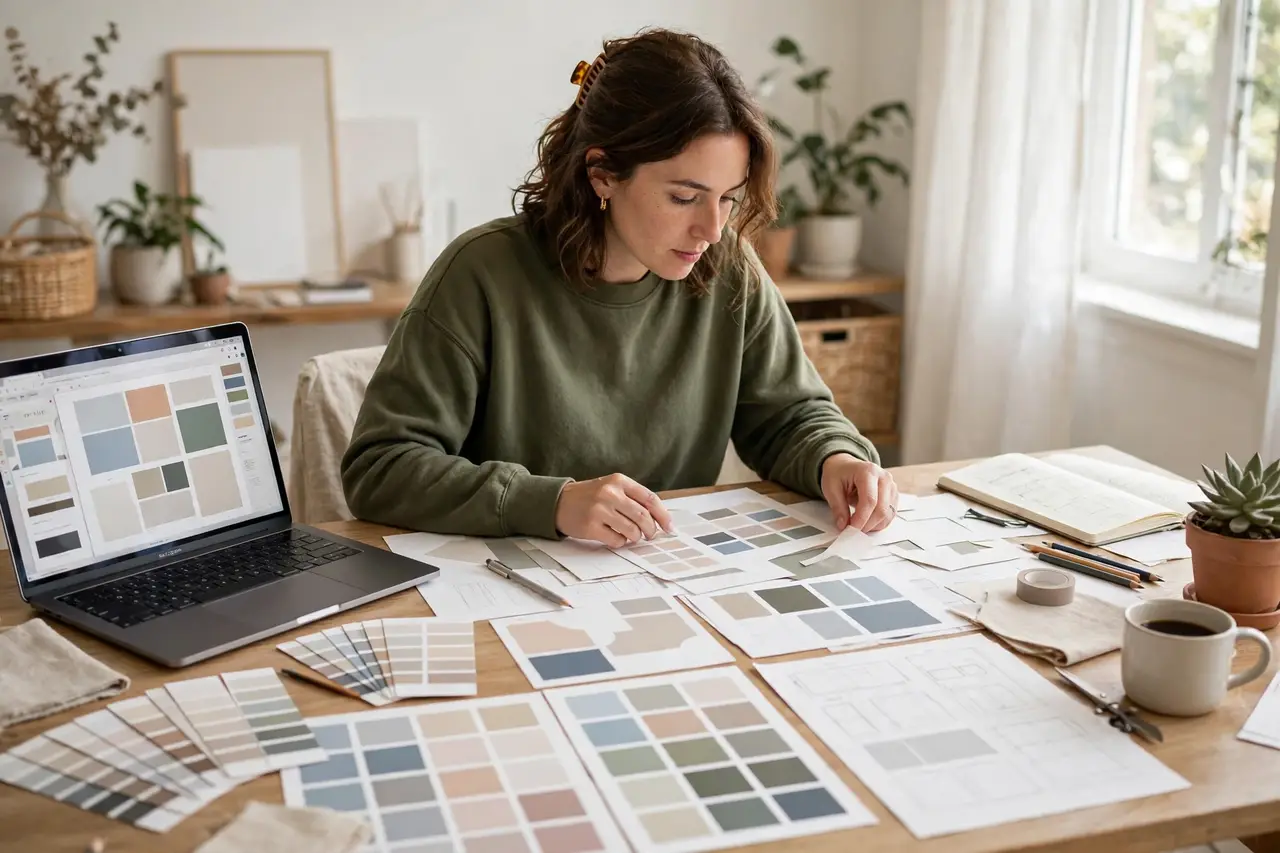
Learning freelance designer guide is one of the most rewarding ways to grow as a creative person, whether you are starting from scratch or building on skills you already enjoy. This guide walks through the ideas, tools, and practice habits that make freelance designer guide approachable, enjoyable, and genuinely useful in real projects, with clear steps you can follow at your own pace.
You do not need expensive equipment or years of training to begin. What you need is a clear starting point, a few simple exercises, and a habit of looking closely at your work and learning from each attempt. A good companion skill is how to sell art online, which builds the same eye for detail and patient practice you will use here.
By the end of this guide, you will understand how freelance designer guide works, which tools suit it best, and how to practice in short sessions that fit a busy week. You will also find related ideas, such as graphic design tips for beginners, to explore once the basics feel comfortable.
What Is Freelance Designer Guide?
Freelance design means running your own creative business: finding clients, pricing projects, managing timelines, and delivering work without an employer handling those details. The freedom is real, but so is the responsibility, and success comes from treating design as a business, not only as a craft.
Most successful freelancers earn steadily not because they are the most talented designers, but because they are reliable, clear, and easy to work with. Clients return to designers who communicate well, meet deadlines, and solve problems calmly, so this guide covers business habits alongside creative skills.
People in the United States turn to freelance designer guide for many reasons: a hobby that relaxes them, a side income, a professional skill, or simply a better way to share what they make. Whatever your reason, the learning path is the same. Start small, finish real projects, and let each finished piece teach you something for the next one. A related starting point worth reading is how to start digital art.
Tools and Materials for Freelance Designer Guide
Good tools do not have to be costly, but the right basics remove friction and help you practice more often. Gather the items below before your first session so you can focus on learning instead of hunting for supplies.
- A portfolio website and a simple contract template
- A pricing sheet based on your costs and experience
- An invoicing tool and a separate business account
- A project tracker for deadlines and revisions
- A professional email address and a scheduling habit
Start with the simplest version of each tool and upgrade only when you notice a real limit. Many beginners improve faster with basic tools they use often than with advanced tools they rarely touch. For a broader view of creative tools, see modern architecture trends.
Core Freelance Designer Guide Methods
These four methods cover most of what beginners need. Practice each one on a small project before moving on, and keep notes about what worked and what felt awkward.
Finding your first clients
Start with your existing network: past colleagues, local businesses, and communities where your ideal clients gather. Share finished work regularly, offer a clear service, and ask satisfied clients for referrals. One warm introduction beats dozens of cold messages. A helpful related read is color theory for beginners.
Pricing with confidence
Price by value and scope, not only by hours, and always define what is included: deliverables, revision rounds, and timeline. Quote in writing, request a deposit before starting, and review your rates yearly as your skills and demand grow. A helpful related read is bedroom wall art ideas.
Proposals and contracts
A good proposal states the problem, your approach, deliverables, timeline, price, and terms in plain language. A simple contract protects both sides on payment, revisions, ownership, and cancellation. Clear paperwork prevents most freelance disputes before they start. A helpful related read is modern abstract art trends.
Managing projects and clients
Confirm briefs in writing, share progress at agreed checkpoints, and handle feedback calmly by separating personal taste from project goals. Keep records of approvals and changes, since scope creep is the most common cause of late, underpaid projects. A helpful related read is visiting an art exhibition.
Freelance Designer Guide Step by Step
Follow these steps in order for your first few projects. Once the sequence feels natural, you can adapt it to suit your own style and the project in front of you.
- Define one clear service and an ideal client profile.
- Set prices, terms, and a simple contract template.
- Build a small portfolio around that service.
- Reach out to ten ideal prospects with personalized messages.
- Deliver excellent work and ask for referrals and testimonials.
After finishing, step away for a day and look at the result with fresh eyes before deciding what to change. That short break often reveals small fixes that are hard to see while you are still working. If you enjoy structured creative practice, you may also like sketching for beginners.
Common Freelance Designer Guide Mistakes to Avoid
Most beginners make the same few mistakes, and all of them are easy to fix once you know to watch for them.
- Charging too little and burning out on underpaid projects.
- Working without a contract or deposit, then chasing payment.
- Saying yes to every project instead of focusing on a fit.
- Letting scope creep grow without adjusting price or timeline.
When something goes wrong, treat it as information rather than failure. Note what happened, change one thing, and try again. That habit alone will carry your skills further than any single tutorial.
A Simple Freelance Designer Guide Practice Plan
Short, regular practice beats long, rare sessions. Set aside two or three sessions of thirty to forty-five minutes each week, and give each session one clear goal, such as finishing a single exercise or testing one new method. Keep your early work in one folder or sketchbook so you can look back and see progress that daily practice hides. For inspiration on building a creative habit, see best drawing tablets.
Every fourth week, review your recent work and pick the strongest piece and the weakest one. Ask what makes the strong one work, and choose one skill to practice from the weaker one. This simple review loop keeps practice purposeful instead of repetitive.
Tips for Better Freelance Designer Guide Results
- Keep a pipeline: always be talking to future clients.
- Review rates every six months and raise them as demand grows.
- Save for taxes and quiet months from every payment.
- Protect creative time with clear working hours.
Small, steady improvements add up quickly. Focus on finishing projects, even imperfect ones, because finished work teaches far more than abandoned attempts. A related guide that pairs well with this one is mixed media art for beginners.
Choosing Your First Freelance Designer Guide Project
Pick a first project that is small enough to finish in one or two sessions but interesting enough that you want to see it done. A project with a clear end point, such as a single finished piece or a short set of exercises, gives you a sense of completion and a concrete example of your current level. Avoid projects that depend on many new skills at once, since each unknown adds frustration and slows learning.
As you work, keep your goal visible: write down what you want the finished piece to do or say, and check your progress against that note rather than against polished work you admire online. Comparing early work with expert work is discouraging and misleading, because it hides the years of practice behind the expert result. Your honest comparison is your own work from a month ago, and that comparison will usually show real growth.
Frequently Asked Questions About Freelance Designer Guide
How long does it take to learn freelance designer guide?
Most people feel comfortable with the basics after a few weeks of regular practice, and they keep improving for years. Expect steady progress rather than instant mastery, and judge yourself by finished projects, not by speed.
What do I need to start freelance designer guide?
Start with the basic tools listed above and one small project. Add new tools only when a project genuinely needs them, which keeps costs down and learning focused.
Can beginners try freelance designer guide?
Yes. This guide is written for beginners, and every method here works on a first project. Begin slowly, follow the steps in order, and let your confidence grow with each finished piece.
How often should I practice freelance designer guide?
Two or three short sessions a week work well for most people. Consistency matters more than session length, so protect a regular time slot even when life gets busy.
Related Creative Guides
If you enjoyed this guide, continue with perspective drawing basics for another approach to the same creative skills, and browse the related guides linked throughout this article for techniques that complement what you have learned here.
Final Thoughts on Freelance Designer Guide
Freelance Designer Guide rewards patience, curiosity, and finished work. Start with one small project this week, use the steps and methods above, and keep practicing in short, regular sessions. Over time, the skills that feel effortful now will become habits, and your work will show it.
For a related introduction to this kind of creative work, see https://gallerydaily.com/sell-art-online/, and then explore freelance designer guide in detail at https://gallerydaily.com/freelance-designer-guide/.