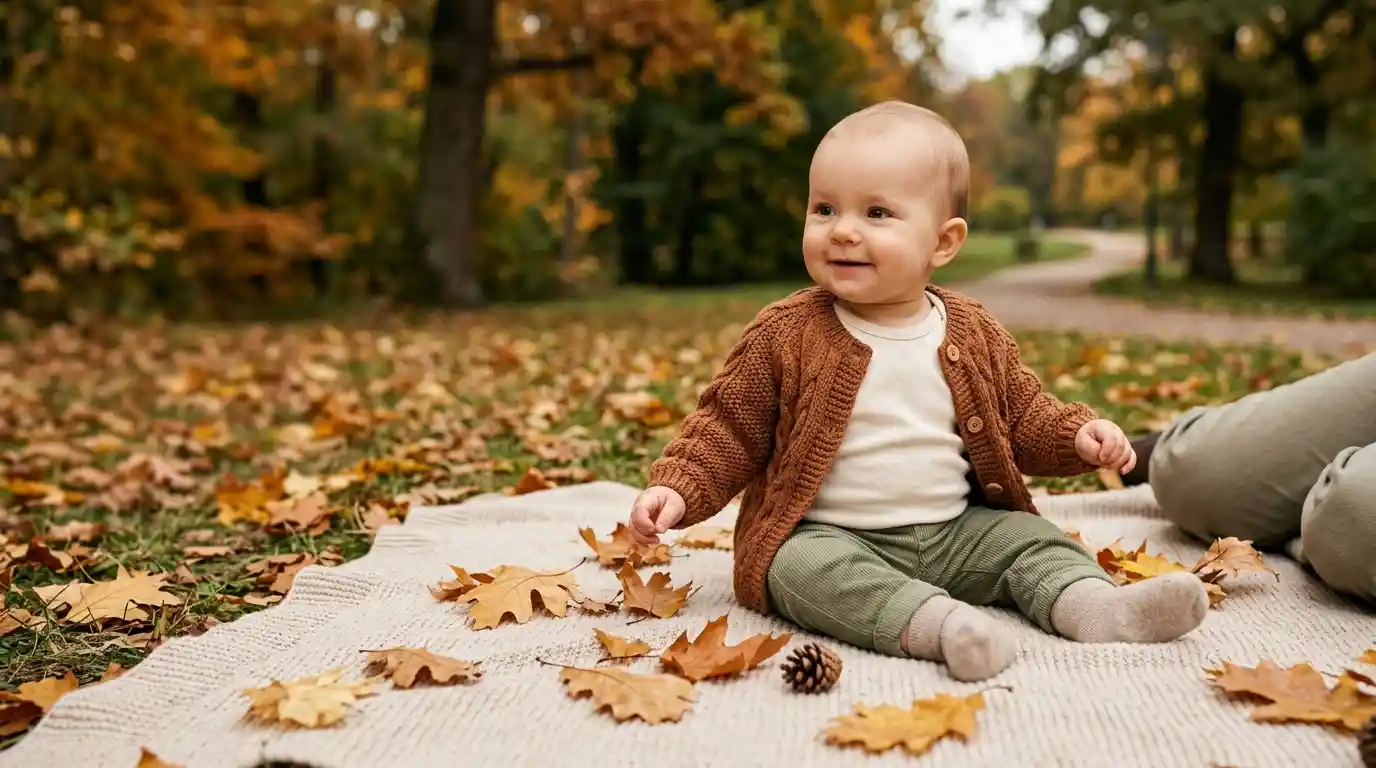
Autumn brings cooler mornings, changing leaves, and plenty of opportunities for little ones to explore the world in comfort. Choosing the right baby clothes for autumn means balancing warmth, softness, easy movement, and practical everyday styling. From knitted cardigans and cotton bodysuits to comfortable trousers and lightweight jackets, a well-planned wardrobe can help babies stay comfortable as temperatures change.
What Makes a Good Autumn Baby Clothing Set?
A practical autumn baby clothing set usually combines a comfortable base layer, a warmer middle layer, and an outer layer suitable for the weather. Instead of buying a matching outfit for every occasion, parents can choose coordinated pieces that work together throughout the season.
- Soft bodysuits: Comfortable base layers that sit gently against delicate skin.
- Knitted cardigans: Easy-to-remove layers for cooler mornings and changing indoor temperatures.
- Stretchy trousers or leggings: Flexible options that allow babies to kick, crawl, sit, and move freely.
- Long-sleeved tops: Versatile pieces for layering or wearing alone when the weather is mild.
- Lightweight jackets: Useful for outdoor outings when an additional layer is needed.
- Comfortable socks: Helpful for keeping little feet warm when conditions call for them.
When comparing different styles, prioritise comfortable fits, accessible fastenings, and fabrics that can withstand frequent washing. Seasonal dressing should make everyday routines easier, not turn each outfit change into a complicated task.
Best Fabrics for Autumn Baby Clothes
Fabric choice affects comfort, warmth, breathability, and how easily a garment can be maintained. Autumn weather can change throughout the day, so materials should suit the temperature and the baby’s activity level.
Cotton for Everyday Comfort
Soft cotton is a versatile choice for bodysuits, tops, sleepsuits, and leggings. It is comfortable against the skin and works well as a base layer beneath warmer garments. Parents should check the garment’s construction, care instructions, and fit rather than assuming that every cotton item feels equally soft.
Knitwear for Cooler Days
Cardigans, jumpers, and knitted sets add warmth while giving an autumn outfit a textured, seasonal appearance. Fine-knit garments can be easier to layer than bulky sweaters. Check for scratchy seams, loose threads, decorative pieces that could detach, and fastenings that may irritate the baby’s skin.
Fleece and Warmer Outer Layers
Fleece can provide additional warmth for outdoor activities in cooler conditions. Lightweight jackets may also help protect against a chilly breeze. Choose layers according to the actual weather and remove unnecessary clothing when moving into a warm car or heated indoor environment.
For more inspiration on how clothing textures influence an outfit, explore traditional clothing details and timeless textile craftsmanship.
Autumn Colours That Work Beautifully Together
Autumn fashion often draws inspiration from natural surroundings. Warm browns, muted greens, soft creams, rust, burgundy, and mustard can create a seasonal look without making a baby’s wardrobe difficult to coordinate.
Try these simple combinations:
- Warm neutral: A cream bodysuit, camel cardigan, and brown trousers.
- Forest-inspired: An olive-green top with beige leggings and a neutral jacket.
- Soft and playful: A dusty-rose cardigan with cream trousers and a simple cotton base layer.
- Classic autumn: A rust-coloured jumper with charcoal or navy bottoms.
- Minimalist: A coordinated grey, ivory, and taupe outfit with subtle knit textures.
Parents who enjoy experimenting with personal style can find further inspiration in modern clothing designs and styling ideas and timeless fashion influences.
Choose colours that complement one another instead of purchasing every item as part of a fixed matching set. This makes it easier to replace a stained top, combine clean separates, and build several outfits from a small collection.
How to Layer Baby Clothes in Autumn
Layering is one of the most useful ways to adapt a baby’s outfit to changing autumn temperatures. The goal is to add or remove clothing easily while keeping the baby comfortable.
Start with a Comfortable Base
Begin with a well-fitting bodysuit or long-sleeved cotton top. Avoid garments that bunch up, restrict movement, or leave marks around the neck, wrists, waist, or legs.
Add a Removable Middle Layer
A cardigan, lightweight jumper, or soft overshirt can provide extra warmth when needed. Front-opening garments may be particularly convenient for changing clothes without pulling a tight neckline over a baby’s head.
Choose Outerwear for the Conditions
For a cool walk, add an appropriate jacket or another weather-suitable layer. In windy or damp conditions, consider the protection the outer garment provides. Check the baby’s comfort regularly rather than relying on a fixed number of layers for every situation.
Adjust Clothing Indoors and Outdoors
Babies can become too warm when several layers remain on indoors or in a heated vehicle. Remove extra layers when appropriate and check the baby’s chest or back for signs of overheating. Sweating, flushed skin, and a hot torso can indicate that clothing should be adjusted.
Never rely on cold hands or feet alone to judge a baby’s overall temperature. Follow safe-sleep guidance when dressing a baby for naps or nighttime, and avoid loose clothing, scarves, or accessories in a sleep space.
Practical Autumn Outfits for Different Occasions
Everyday Wear and Playtime
For home activities, crawling, and floor play, choose a soft bodysuit, stretchy trousers, and a removable cardigan when needed. Keep the outfit simple, with minimal decorative elements and no restrictive waistbands. Comfortable clothes are more useful than elaborate styling for everyday adventures.
Family Walks and Outdoor Adventures
For a stroller walk or an afternoon outdoors, start with comfortable everyday layers and adjust the outerwear to the weather. A coordinating hat may be useful in cold conditions, provided it fits safely and is removed when it is no longer needed. If the outing includes a scenic destination, seasonal ideas such as autumn destinations in Maryland or fall outings in Michigan can inspire family plans.
For family trips farther afield, browse cold-weather destination ideas or winter travel inspiration for Norway. When travelling with a baby, plan clothing around the destination’s expected temperatures rather than assuming that one autumn outfit will suit every climate.
Family Gatherings and Special Occasions
A textured cardigan, a coordinated top and trousers, or a simple knitted outfit can look polished without sacrificing comfort. Keep decorative elements minimal, particularly around the neck and hands. For an older child attending a family celebration, occasionwear styling ideas can provide broader inspiration for coordinating colours across family outfits.
Photo Sessions and Seasonal Memories
Neutral knits, subtle patterns, and earthy shades can photograph beautifully against autumn leaves. Choose clothing that fits comfortably and allows natural movement instead of selecting an outfit solely for its appearance. Parents interested in styling and visual presentation may also enjoy creative photography and visual composition.
Choosing the Right Size as Your Baby Grows
Babies grow quickly, so purchasing a large number of expensive seasonal outfits in one size may not be practical. Check the manufacturer’s size chart and consider the baby’s current measurements, garment cut, and intended use.
A slightly roomier garment can sometimes allow comfortable layering, but clothing should never be so oversized that it creates a tripping, entanglement, or other safety risk. Sleeves should not cover the hands excessively, trousers should not drag on the floor, and neck openings should fit appropriately.
Look for adjustable waistbands, flexible fabrics, and practical fastenings. These features can make dressing easier while providing a comfortable fit as the baby changes. A small collection of adaptable essentials is often more useful than many pieces that work together only as complete sets.
Baby Clothing Safety: Details Parents Should Check
Style should never take priority over safety. Before buying or dressing a baby in an autumn set, inspect each garment for details that could cause discomfort or present a hazard.
- Check buttons, bows, beads, and other decorative pieces to ensure they are secure and not easily detached.
- Avoid drawstrings, loose cords, and long ties around the neck or hood.
- Choose soft seams, suitable neck openings, and comfortable fastenings.
- Wash new clothing according to its care label before first use.
- Remove bulky outerwear before securing a baby in a car seat; use correctly fitted harnesses and follow the car-seat manufacturer’s instructions.
- For sleep, use suitable sleepwear and follow safe-sleep recommendations rather than relying on loose blankets or accessories.
Parents should also remember that babies cannot reliably communicate when they are becoming too hot or cold. Check their comfort during outings and adjust their clothing as conditions change.
How to Build a Budget-Friendly Autumn Baby Wardrobe
A useful seasonal wardrobe can be created without buying a complete new set for every week. Start by reviewing clothes the baby already owns and identifying genuine gaps.
- Choose a small colour palette. Two or three coordinating colours make it easier to combine tops, bottoms, and cardigans.
- Buy versatile basics first. Prioritise bodysuits, comfortable trousers, and one or two practical warm layers.
- Check care requirements. Machine-washable garments can be more convenient for daily use than delicate pieces that require special treatment.
- Consider second-hand clothing carefully. Inspect used garments for damaged fastenings, loose decorations, stretched necklines, and worn fabric.
- Buy special-occasion pieces selectively. Choose items that can also be worn with everyday basics.
- Review sizes regularly. Set aside clothing that has become too small or uncomfortable.
Thoughtful purchasing also means considering how long a garment is likely to be useful and whether its materials and construction suit regular wear. Parents interested in wider clothing trends can explore fashion styling and distinctive outfit details or accessories and personal style for general inspiration, while keeping baby-specific safety requirements separate from adult fashion choices.
Simple Care Tips for Autumn Baby Clothes
Frequent washing is part of life with a baby, making garment care an important factor when choosing a seasonal set. Read care labels before washing and separate items according to their fabric requirements.
Use a suitable detergent, avoid excessive heat when drying delicate fabrics, and check knitwear for changes in shape after washing. Close fastenings before laundering where appropriate, and store clean clothes in a dry place. Remove damaged items from use if their fastenings, seams, or decorative details become unsafe.
For delicate knits, follow the specific washing and drying instructions instead of assuming all wool or cotton garments can be treated identically. Proper care can help clothing remain comfortable and presentable throughout the season.
Frequently Asked Questions
What should a baby wear in autumn?
A comfortable base layer, a removable cardigan or jumper, and weather-appropriate outerwear are useful starting points. Adjust the combination according to the temperature, activity, and indoor environment.
Which fabric is best for autumn baby clothes?
Soft cotton is a versatile choice for everyday base layers. Knitwear and fleece can provide additional warmth when needed. The best option depends on the garment’s construction, the weather, and the baby’s comfort.
How many autumn outfits does a baby need?
There is no universal number. Consider how often laundry is done, how frequently the baby needs a change of clothes, the local climate, and how quickly the baby is growing. A small collection of mix-and-match essentials is a practical starting point.
Are matching autumn baby sets worth buying?
Matching sets can simplify outfit planning, but separate pieces that coordinate with existing clothes may offer more flexibility. Compare comfort, durability, price, and care requirements before deciding.
How can parents prevent a baby from overheating in autumn?
Use removable layers, check the baby’s chest or back for warmth, and remove extra clothing in heated environments. Avoid excessive layers during sleep and follow appropriate safe-sleep guidance.
Final Thoughts
Choosing autumn baby clothes is about creating a wardrobe that combines comfort, warmth, easy care, and personal style. Soft base layers, practical knitwear, flexible trousers, and weather-appropriate outerwear can cover most everyday needs without requiring an oversized collection.
Earthy colours and coordinated textures give seasonal outfits a polished appearance, while removable layers help parents respond to changing temperatures. By prioritising fit, checking clothing details, and buying versatile essentials, families can dress their little explorers for autumn adventures with greater confidence and less waste.