There is no single price that applies to every patient. Your final out-of-pocket cost can depend on your health insurance plan, deductible, coinsurance, copayment, provider network, facility, anesthesia, laboratory testing, biopsies, and whether the procedure is performed in a hospital or an outpatient setting.
Understanding these factors can make the billing process less confusing and help you identify opportunities to reduce your personal costs. This guide explains the major expenses associated with bronchoscopy, how insurance typically affects the bill, and what questions to ask before the procedure.
What Is a Bronchoscopy?
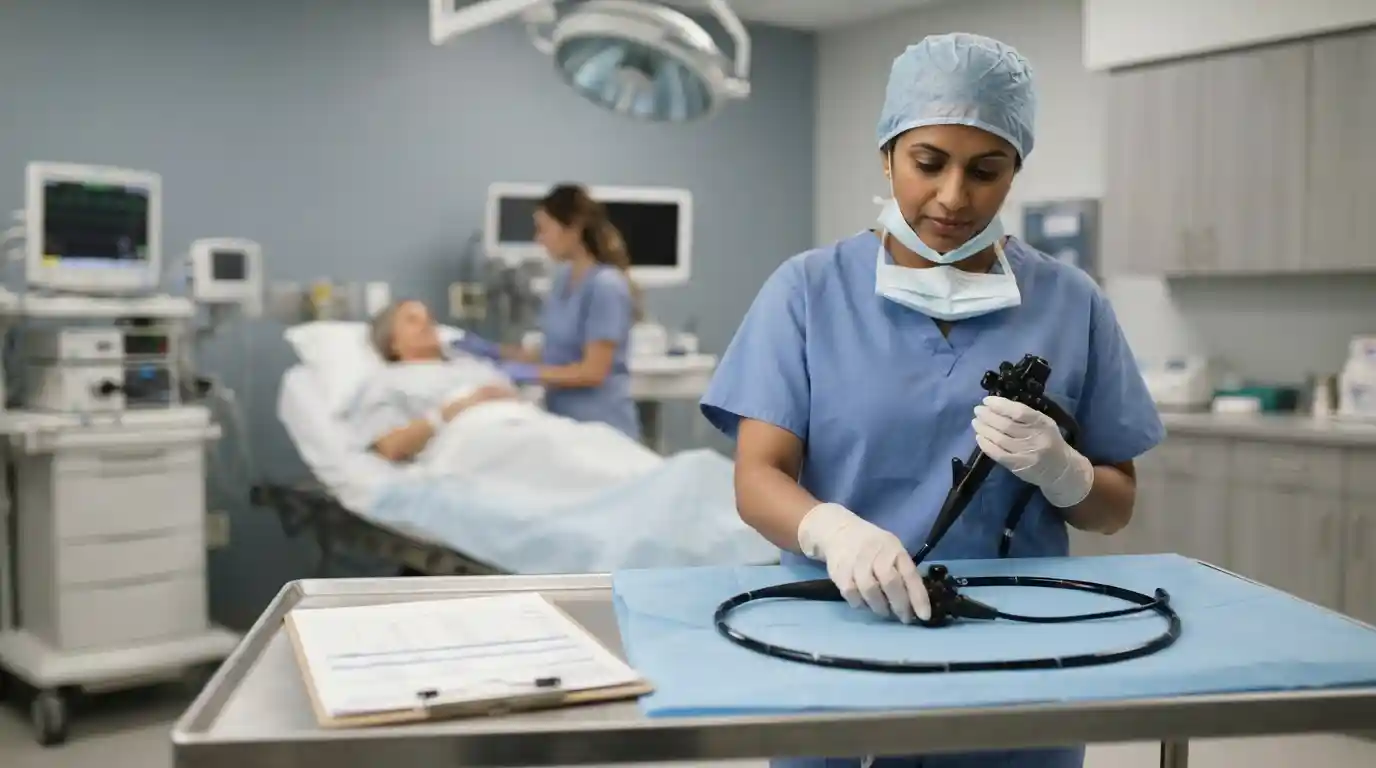
Bronchoscopy is a medical procedure that allows a healthcare professional to examine the inside of the airways using a bronchoscope. The instrument is usually passed through the nose or mouth and into the breathing passages.
Depending on the reason for the procedure, the healthcare team may use bronchoscopy to investigate symptoms, examine an abnormality found on imaging, collect tissue or fluid samples, identify certain infections, or evaluate other problems affecting the respiratory system.
The exact procedure performed matters when estimating cost because a straightforward examination may involve fewer services than a bronchoscopy that includes a biopsy, lavage, specialized testing, or other additional procedures.
How Much Does a Bronchoscopy Cost With Insurance?
The amount you personally pay with insurance can vary significantly. Instead of looking only at the hospital’s listed price, it is more useful to consider the allowed amount under your insurance plan and how your plan divides that amount between the insurer and you.
Your final responsibility may include a combination of:
- A deductible that must be met before certain benefits apply
- A copayment for the procedure or facility
- Coinsurance based on a percentage of the covered amount
- Separate professional or facility charges
- Anesthesia-related costs
- Laboratory or pathology charges
- Charges for biopsy or additional diagnostic services
Because plans differ, two patients receiving a similar bronchoscopy can receive very different bills. A patient who has already met much of the annual deductible may have a substantially different out-of-pocket responsibility from someone whose deductible has barely been used.
What Determines Your Bronchoscopy Cost?
1. Your Insurance Plan
The first major factor is the type of insurance coverage you have. Employer-sponsored insurance, individual marketplace plans, Medicare, Medicaid, and other forms of coverage can have different rules for deductibles, coinsurance, networks, authorizations, and covered services.
Before scheduling the procedure, review your plan documents or contact your insurer to understand how outpatient diagnostic procedures are handled. You can also compare your expected expenses with information about insurance coverage and costs when evaluating your overall healthcare budget.
2. Your Deductible
Your deductible is the amount you may need to pay toward covered healthcare services before your insurance begins paying according to the plan’s normal cost-sharing structure.
If your deductible has already been satisfied for the year, your share of the bronchoscopy may be lower than it would be earlier in the year. If you have not met the deductible, a larger portion of the allowed cost may initially be your responsibility.
3. Coinsurance
Some health plans require you to pay a percentage of the allowed amount after meeting your deductible. For example, a plan could require coinsurance for certain outpatient procedures.
The percentage alone does not tell you what the final bill will be. You also need to know the plan’s allowed amount and whether the providers involved are in-network.
4. Copayments
A plan may charge a fixed copayment for certain services. Whether a bronchoscopy is subject to a copay, coinsurance, or another cost-sharing arrangement depends on the specific policy.
5. The Facility
Where the bronchoscopy takes place can affect the total cost. A hospital outpatient department may have different facility charges from an ambulatory surgical center or another outpatient location.
Ask whether the procedure will be performed in a hospital or another facility and request an estimate of your expected responsibility before the appointment.
6. Anesthesia and Sedation
Some bronchoscopies involve sedation or anesthesia. If another professional or department provides this service, it may result in an additional charge.
Do not assume that the procedure estimate automatically includes every anesthesia-related expense. Ask the facility and insurer whether anesthesia is billed separately and whether the provider is in-network.
7. Biopsy and Laboratory Testing
If your doctor collects tissue or fluid during the bronchoscopy, laboratory, pathology, or other diagnostic charges may be added to the overall cost.
This is one reason a basic estimate may differ from the final bill. The services actually performed during the procedure can determine which charges appear afterward.
Does Health Insurance Usually Cover Bronchoscopy?
When a bronchoscopy is considered medically necessary, health insurance may provide coverage according to the terms of the patient’s policy. However, coverage does not necessarily mean the patient pays nothing.
Insurance may still leave the patient responsible for deductibles, copayments, coinsurance, or other eligible expenses.
The most important questions are whether the procedure is covered, whether prior authorization is required, whether the physician and facility are in-network, and what cost-sharing rules apply to the specific service.
Understanding the difference between being covered and being fully paid by insurance is essential when estimating your bronchoscopy cost.
Bronchoscopy and Medicare
For people with Medicare, the amount they pay can depend on whether the procedure is considered medically necessary, where it is performed, which Medicare coverage they have, and whether other supplemental coverage applies.
Original Medicare generally involves cost sharing for covered Part B services after the applicable deductible. Medicare Advantage plans have their own cost-sharing structures and provider-network requirements.
If Medicare is your primary coverage, contact your plan or Medicare before the procedure and ask for a cost estimate based on the specific procedure and location.
It is also useful to review your broader medical insurance coverage and determine whether supplemental insurance may reduce your remaining responsibility.
What If You Have Medicare Advantage or Supplemental Insurance?
Medicare Advantage plans can use different networks, copayments, coinsurance amounts, and annual out-of-pocket limits. Your expected bronchoscopy cost therefore depends on the specific plan rather than simply on the fact that you have Medicare.
Medigap policies may help cover certain cost-sharing amounts associated with Original Medicare, depending on the policy. Other supplemental coverage can also affect your final responsibility.
If you have more than one source of coverage, ask the insurers how the procedure will be processed and which plan is primary.
In-Network vs. Out-of-Network Bronchoscopy Costs
One of the most important ways to avoid unexpected expenses is to confirm network status before the procedure.
An in-network physician may have negotiated rates with your insurance company. An out-of-network physician or facility may be subject to different reimbursement rules and potentially higher patient costs.
Do not check only the pulmonologist. Depending on the procedure, several entities may be involved, including the facility, anesthesia provider, pathology laboratory, and other specialists.
Before your appointment, ask:
- Is the pulmonologist in-network?
- Is the hospital or surgical center in-network?
- Will the anesthesia provider be in-network?
- Will pathology or laboratory services be billed separately?
- Does the procedure require prior authorization?
How to Get a Bronchoscopy Cost Estimate Before the Procedure
Getting a written estimate before the appointment can make the financial side of the procedure much easier to understand.
Contact Your Insurance Company
Give your insurer the procedure information supplied by your physician and ask how the service is covered under your plan. Ask specifically about your deductible, coinsurance, copayment, network status, prior authorization, and remaining annual out-of-pocket responsibility.
Ask the Medical Facility for an Estimate
The hospital or outpatient facility may be able to provide an estimate of its portion of the bill. Ask whether the estimate includes facility fees, physician services, anesthesia, pathology, and other expected charges.
Ask Your Doctor About Additional Services
Your doctor can explain whether the planned bronchoscopy may include a biopsy, fluid collection, imaging, or other services that could affect the final cost.
Questions to Ask Your Insurer
When you call your insurance company, having a prepared list of questions can help you get a more useful answer.
- Is bronchoscopy covered under my current plan?
- Is prior authorization required?
- Is my physician in-network?
- Is the facility in-network?
- What is my remaining deductible?
- What coinsurance or copayment applies?
- Will anesthesia be covered separately?
- Will pathology or laboratory services have separate cost sharing?
- What is my remaining annual out-of-pocket maximum?
- Can you provide a reference number for this coverage conversation?
Keep the representative’s name, date of the call, and reference number. These details can be useful if questions arise after the procedure.
Ways to Reduce Your Out-of-Pocket Bronchoscopy Cost
Choose In-Network Providers
Whenever possible, use an in-network physician and facility. Confirm network status directly with your insurance company rather than relying solely on a provider’s website.
Ask About Lower-Cost Facilities
If the procedure can safely be performed at more than one appropriate location, ask whether an ambulatory surgical center or another outpatient facility could reduce facility-related expenses.
Check Whether Prior Authorization Is Required
Avoid preventable claim problems by finding out whether your insurer requires prior authorization or other documentation before the procedure.
Request a Written Estimate
A written estimate gives you something concrete to compare with your insurance benefits. It can also reveal charges that you may not have considered.
Ask About Financial Assistance
If your expected out-of-pocket responsibility is difficult to manage, ask the hospital or healthcare organization whether financial assistance, payment plans, or other billing options are available.
Healthcare expenses can be easier to manage when you understand the broader coverage available to you. Reviewing resources related to insurance protection and coverage can also help you think more broadly about healthcare-related financial planning.
What Can Cause a Bronchoscopy Bill to Be Higher Than Expected?
Several factors can cause the final bill to differ from an initial estimate.
- Additional procedures performed during bronchoscopy
- Biopsy or tissue sampling
- Pathology services
- Anesthesia or sedation
- Separate physician charges
- Hospital facility charges
- Out-of-network providers
- A deductible that has not been satisfied
- Different services being billed under separate claims
- Insurance processing or authorization issues
For that reason, an estimate should be treated as an expected cost rather than a guaranteed final bill.
What to Do If Your Insurance Claim Is Denied
A denied claim does not always mean that you ultimately have to pay the entire amount. First, review the explanation of benefits from your insurer to understand why the claim was denied.
Possible reasons can include missing authorization, incorrect coding, network issues, insufficient documentation, or a dispute about medical necessity.
Contact your insurer and healthcare provider to determine whether the issue can be corrected or whether an appeal is appropriate. Keep copies of the claim, explanation of benefits, medical records relevant to the claim, and communications with the insurer.
How to Prepare Financially for a Bronchoscopy
If your procedure is scheduled in advance, check your insurance benefits before the appointment rather than waiting for the bill.
Review how much of your deductible has already been met, determine your remaining out-of-pocket maximum, and ask for estimates from the relevant providers.
If you are comparing healthcare providers, also consider the broader quality and accessibility of the medical services available to you. Resources covering healthcare and wellness services can provide useful context when researching healthcare options.
Bronchoscopy Cost vs. the Cost of Delaying Necessary Care
Cost is an important consideration, but it should not be the only factor when a physician recommends bronchoscopy for a potentially serious medical concern.
Delaying an appropriate diagnostic procedure could postpone the identification or treatment of an underlying condition. If you are concerned about affordability, discuss the financial issue with your healthcare team rather than simply cancelling or postponing the procedure.
Your provider’s billing department may be able to explain payment options, while your insurance company can clarify coverage and expected cost sharing.
Bronchoscopy Cost With Insurance: Key Takeaways
The cost of bronchoscopy with insurance varies from patient to patient. There is no universal out-of-pocket price because insurance benefits, deductibles, coinsurance, provider networks, facility charges, anesthesia, pathology, and additional procedures can all affect the final amount.
The best way to estimate your cost is to contact your insurer and healthcare provider before the procedure. Confirm coverage, network status, authorization requirements, deductible status, and expected cost sharing.
You can also reduce the risk of unexpected expenses by requesting a written estimate and asking whether all professionals involved in the procedure are in-network.
If you have concerns about paying for the procedure, ask your healthcare provider about available payment arrangements or financial assistance. Understanding your coverage in advance can make the process more predictable and help you plan for your share of the expense.
Frequently Asked Questions
How much does a bronchoscopy cost with insurance?
There is no single price. Your out-of-pocket cost depends on your insurance plan, deductible, coinsurance, copayment, provider network, facility, anesthesia, pathology, and any additional procedures performed.
Does insurance cover a bronchoscopy?
Insurance may cover a medically necessary bronchoscopy according to the terms of the policy. Patients may still be responsible for deductibles, copayments, coinsurance, or other eligible expenses.
Is bronchoscopy covered by Medicare?
Coverage and patient costs depend on the specific Medicare coverage, medical necessity, location, and services performed. Medicare beneficiaries should confirm the expected cost with Medicare or their Medicare plan before the procedure.
Does a biopsy make bronchoscopy more expensive?
It can. A biopsy may result in additional professional, pathology, laboratory, or facility charges, depending on the services performed and how they are billed.
Can I lower my bronchoscopy bill?
You may be able to reduce your out-of-pocket expense by choosing in-network providers, comparing appropriate facilities, confirming authorization requirements, requesting a cost estimate, and asking about payment plans or financial assistance.
Why can the final bill differ from the estimate?
The final bill can change if additional services are performed, separate providers submit claims, pathology or anesthesia is billed separately, or your insurance processes the claim differently than expected.