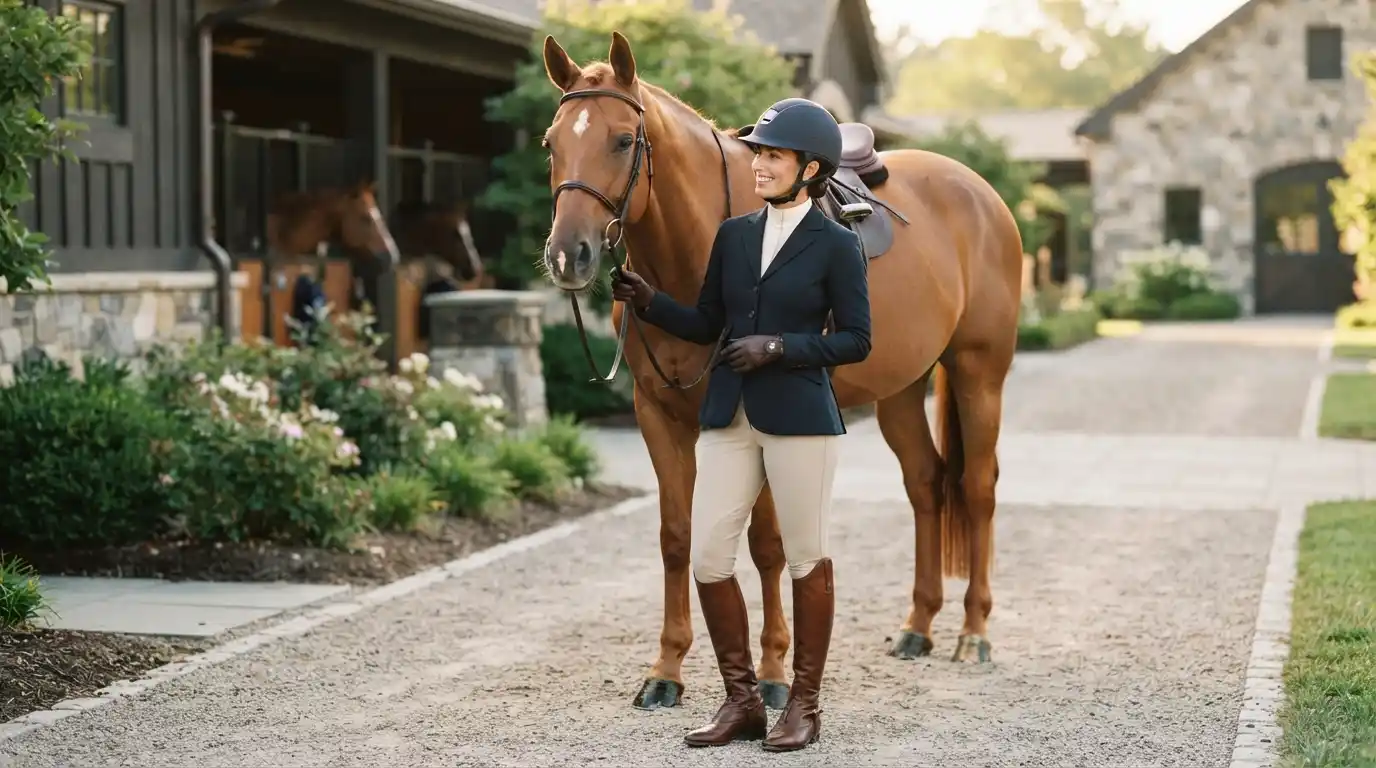
The idea behind fashion star fillies captures this balance perfectly: equestrian clothing can celebrate traditional riding aesthetics while embracing modern silhouettes, fabrics, colors, and details. Whether you are an experienced rider, a beginner, or simply drawn to horse-inspired fashion, the right wardrobe can help you create a confident and polished look.
What Makes Equestrian Fashion Different?
Equestrian wear is different from ordinary fashion because clothing has to work with movement. Riders need garments that allow them to sit comfortably, move naturally, and interact safely with their horse and equipment. At the same time, many equestrian outfits have a distinctive visual identity built around tailored lines, structured layers, leather details, and classic colors.
This combination of performance and appearance is what makes riding fashion so appealing. The same appreciation for craftsmanship can be seen in traditional craftsmanship and timeless style, while contemporary fashion continues to experiment with new silhouettes and materials.
Essential Pieces for a Stylish Equestrian Wardrobe
1. Riding Breeches
Riding breeches are one of the most recognizable pieces of equestrian clothing. They are designed to provide a close, comfortable fit without excessive fabric that could interfere with riding. Modern breeches are available in numerous colors, materials, and grip configurations.
Neutral shades such as black, navy, beige, gray, and brown remain versatile choices. Riders who want a more contemporary appearance can introduce subtle color through piping, stitching, or coordinated accessories.
2. Tailored Riding Jackets
A well-fitted riding jacket can instantly make an outfit look polished. Traditional competition jackets tend to emphasize clean tailoring, while modern schooling and lifestyle jackets can incorporate stretch fabrics, lightweight insulation, or weather-resistant materials.
For broader inspiration, explore the structured appeal of a classic sport coat and the evolution of women’s fashion through different eras.
3. Riding Boots
Riding boots are both functional equipment and an important part of the overall look. Tall riding boots create a sleek silhouette, while paddock boots can be paired with appropriate half-chaps for certain riding situations.
When choosing riding boots, fit and purpose should come before appearance. The boot should be appropriate for the discipline, comfortable enough for the intended activity, and compatible with the rider’s equipment.
4. Riding Shirts and Base Layers
A comfortable technical shirt can make a major difference during long hours at the stable. Moisture-management fabrics, stretch materials, breathable panels, and fitted cuts are popular because they combine comfort with a neat appearance.
Layering also gives riders an opportunity to introduce personal style. A neutral base layer can work with a traditional jacket, while subtle patterns or seasonal colors can create a more contemporary outfit.
How to Choose Colors for Equestrian Outfits
Color coordination is one of the easiest ways to make an equestrian outfit look intentional. Classic riding wardrobes often rely on colors such as navy, black, brown, cream, white, olive, burgundy, and gray.
Instead of matching every item exactly, consider building an outfit around one dominant color and adding one or two complementary shades. For example, brown riding boots can work naturally with beige breeches, a cream shirt, and a navy jacket.
For additional outfit inspiration, see how modern clothing combinations are approached in contemporary outfit styling and women’s clothing and personal style.
Traditional Equestrian Style vs. Modern Riding Fashion
Traditional equestrian fashion is strongly influenced by competition attire and established riding culture. Structured jackets, conservative colors, polished leather boots, fitted breeches, and understated accessories remain central to this aesthetic.
Modern riding fashion takes those foundations and adds technical fabrics, innovative cuts, lightweight layers, contemporary colors, and lifestyle-oriented pieces. Riders can therefore create an outfit that feels authentic to equestrian culture without looking dated.
The contrast between heritage and modern design can also be explored through modern fashion culture, occasion-focused fashion, and contemporary fashion design.
Accessories That Complete the Look
Accessories can add personality without compromising the practical nature of riding clothing. A well-chosen belt, gloves, scarf, watch, or understated piece of jewelry can complement an otherwise simple outfit.
Jewelry should be selected carefully around horses. Pieces that can catch on equipment or clothing should generally be avoided when riding or handling horses. For style inspiration outside the stable, you can also explore the role of earrings and accessories in fashion.
Equestrian Fashion for Different Seasons
Spring
Spring is ideal for lightweight layers. Breathable riding shirts, lightweight jackets, and flexible breeches can help create an adaptable wardrobe as temperatures change throughout the day.
Summer
Summer riding calls for breathable materials and thoughtful layering. Lightweight fabrics can help reduce discomfort during warm weather, while practical colors and minimal layers can keep an outfit clean and functional.
Autumn
Autumn allows riders to introduce richer colors such as burgundy, forest green, chocolate brown, camel, and deep navy. Layering becomes particularly useful as mornings and evenings become cooler.
Seasonal clothing ideas can also be seen in autumn fashion and seasonal dressing.
Winter
Winter equestrian outfits need to balance warmth with freedom of movement. Insulated layers, thermal base garments, gloves, warm socks, and weather-resistant outerwear can make stable routines more comfortable.
Competition Style and Everyday Riding Style
Competition attire is usually more structured than everyday riding clothing. The exact requirements depend on the discipline, level, organization, and event rules, so riders should always check the applicable competition regulations before choosing an outfit.
For everyday riding, the focus can shift toward comfort, durability, weather protection, and personal preference. This creates more room for technical fabrics, colorful jackets, casual base layers, and versatile footwear.
Active riders may also appreciate the wider connection between clothing and sport explored through active lifestyles and sports-related considerations.
How to Build a Fashionable Equestrian Outfit
A simple approach is to start with the activity and build outward. Choose the appropriate breeches first, then select a comfortable riding shirt. Add a jacket or vest based on weather conditions, followed by suitable boots and practical accessories.
- Choose riding clothing appropriate for the discipline.
- Select comfortable and properly fitted breeches.
- Coordinate the shirt with the jacket or outer layer.
- Choose riding boots appropriate for the activity.
- Add gloves and practical accessories.
- Use one or two accent colors rather than overloading the outfit.
- Check that every item allows unrestricted movement.
The result should look coordinated without sacrificing function. Equestrian style works best when fashion follows the requirements of riding rather than competing with them.
Finding Inspiration Beyond the Stable
Equestrian fashion has influenced mainstream clothing for decades. Structured jackets, tall boots, tailored trousers, leather accessories, neutral palettes, and heritage-inspired details frequently appear in everyday fashion.
Looking at other fashion categories can help riders develop their own interpretation of the aesthetic. The latest wardrobe trends, historical fashion references, and even occasion-based styling can provide ideas that can be adapted to an equestrian wardrobe.
For a broader look at how personal style develops, outfit coordination and personal confidence offer useful inspiration, while heritage craftsmanship highlights why durable, well-made pieces continue to influence modern wardrobes.
Practical Tips for Buying Equestrian Clothing
Before buying a new riding outfit, think about how and where you will use it. A competition rider may have very different requirements from someone who rides recreationally or spends most of their time at the stable.
- Prioritize fit: Clothing should provide comfortable movement without excessive looseness.
- Consider fabric: Choose materials suited to the climate and activity level.
- Think about durability: Stable environments can be demanding on clothing.
- Coordinate colors: Neutral foundations make it easier to create multiple outfits.
- Check safety: Avoid accessories or clothing features that could interfere with riding equipment.
- Consider maintenance: Easy-care fabrics can be especially useful for frequent riders.
Safety Should Always Come Before Style
A stylish riding outfit should never compromise safety. Protective headgear should be properly fitted and secured, and riders should follow the rules applicable to their riding discipline and competition.
For example, current United States Equestrian Federation dressage rules address protective headgear, riding jackets, breeches, boots, and other elements of competition attire. Requirements can change, so competitors should verify the current rules for their specific event.
Good equestrian fashion is therefore about finding the point where appearance, comfort, performance, and appropriate safety equipment work together.
Why Equestrian Fashion Continues to Stand Out
Equestrian clothing has a distinctive visual language. It combines clean tailoring, practical materials, classic colors, and details that have developed around the demands of riding. That combination gives riders a recognizable style while leaving plenty of room for individuality.
The concept of fashion star fillies represents this blend of personality and tradition. Whether you prefer classic competition-inspired clothing or a modern stable-to-street wardrobe, equestrian fashion provides a flexible foundation for expressing personal style.
Final Thoughts
Creating a stylish equestrian wardrobe does not require sacrificing practicality. The best outfits begin with properly fitted riding essentials and then build personality through color, layering, tailoring, and carefully selected accessories.
From classic breeches and polished boots to modern technical jackets and seasonal layers, today’s riders have many ways to create a look that feels both functional and fashionable. By focusing on comfort, suitability, durability, and safety first, you can develop an equestrian wardrobe that looks confident in the saddle and remains true to your personal sense of style.