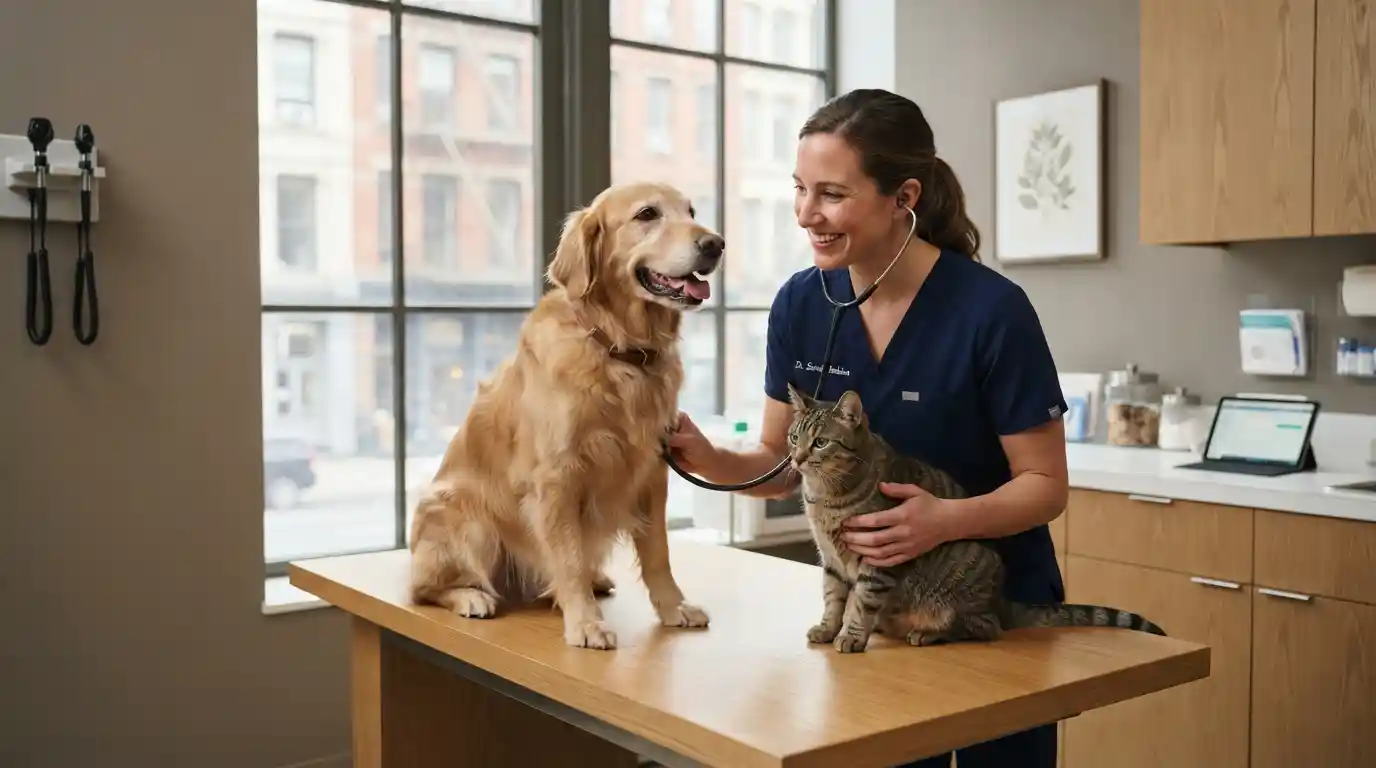
For Tribeca pet owners, choosing a veterinary provider is about more than convenience. A trusted pet care team should understand preventive health, recognize potential problems early, communicate clearly, and treat every animal with patience and respect. Ivy Pets is positioned around that complete-care philosophy.
This guide explores what makes Ivy Pets Tribeca relevant for local pet owners, the types of care families may need, how to prepare for veterinary visits, and what to consider when choosing premium pet care in New York City.
What Is Ivy Pets Tribeca?
Ivy Pets Tribeca is a veterinary care location serving dogs and cats in Manhattan. The practice focuses on personalized veterinary medicine and aims to create a comfortable environment for pets and their owners.
The Tribeca location is at 256 West St, New York, NY 10013. The practice provides veterinary services designed to support pets through routine wellness needs as well as situations requiring additional medical attention.
For owners comparing veterinary providers in Manhattan, the value of a practice often comes down to the quality of communication, continuity of care, preventive services, and the ability to address different stages of a pet’s life. These factors make comprehensive veterinary care especially important in a busy urban environment.
Why Comprehensive Pet Care Matters in Tribeca
Living in Manhattan creates a unique environment for pets. Dogs may spend considerable time walking on busy sidewalks, visiting parks, interacting with other animals, and adapting to apartment living. Cats may also require specialized attention as they age or develop health concerns.
Regular veterinary care gives owners an opportunity to monitor changes rather than waiting until a problem becomes severe. Preventive appointments can help establish a health baseline and provide opportunities to discuss nutrition, vaccinations, dental health, parasite prevention, behavior, weight, and other concerns.
Pet owners can also benefit from understanding the difference between routine care and situations that require more immediate attention. A sudden change in appetite, energy, behavior, breathing, mobility, or bathroom habits can sometimes indicate that professional evaluation is appropriate.
For broader animal-care context, readers may also be interested in this discussion about dogs and legal considerations surrounding pets.
Veterinary Wellness Care for Dogs and Cats
Wellness care is one of the most important parts of responsible pet ownership. Instead of focusing only on illness, routine veterinary appointments help owners monitor overall health and identify potential concerns earlier.
A comprehensive wellness visit may involve a physical examination, discussion of lifestyle and nutrition, vaccination planning, parasite prevention, weight assessment, and other evaluations based on the animal’s age and individual circumstances.
Routine Examinations
Regular examinations allow a veterinary team to become familiar with an individual pet. This creates a useful health history that can make future visits easier to evaluate because the veterinarian has a better understanding of the animal’s normal condition.
Changes that seem minor at home can sometimes become important when considered alongside previous examinations. Consistent veterinary records therefore play an important role in long-term pet care.
Vaccination Planning
Vaccinations are another important component of preventive veterinary care. The appropriate vaccination schedule can depend on factors such as species, age, lifestyle, exposure risk, and local veterinary recommendations.
Rather than assuming that every pet needs exactly the same approach, responsible pet care involves discussing the animal’s individual circumstances with a qualified veterinary professional.
Puppy and Kitten Care
Young pets have different healthcare needs from mature dogs and cats. Puppies and kittens are going through rapid physical and behavioral development, making early veterinary visits particularly valuable.
New pet owners may need guidance about vaccinations, nutrition, parasite prevention, socialization, dental development, training, and general safety. Establishing a relationship with a veterinary team early can also help owners become more confident about recognizing normal development versus potential concerns.
If you are welcoming a young pet into your family, you can also explore this guide to professional pet care and boarding considerations when planning future care arrangements.
Dental Health for Pets
Dental care is sometimes overlooked by pet owners, even though oral health can affect a pet’s comfort and overall wellbeing. Routine dental evaluations give veterinarians an opportunity to examine the teeth and gums and identify problems that may require attention.
Owners should pay attention to signs such as persistent bad breath, difficulty chewing, changes in eating habits, excessive drooling, or visible changes around the mouth. Any concerning symptom should be discussed with a veterinary professional.
Dental care should also be considered as part of a broader preventive-care routine rather than treated as an isolated service.
Recognizing When Your Pet May Need Veterinary Attention
Pets cannot explain exactly how they feel, so owners often need to recognize changes in behavior and physical condition. A noticeable change from an animal’s normal routine can be an important signal.
Potential warning signs can include:
- Sudden loss of appetite
- Unusual lethargy or weakness
- Repeated vomiting or diarrhea
- Difficulty breathing
- Sudden changes in behavior
- Unusual swelling or discharge
- Difficulty walking or moving normally
- Persistent scratching or discomfort
- Changes in drinking or urination
One symptom does not automatically indicate a serious condition, but significant or persistent changes deserve professional attention. Owners should use their veterinarian’s guidance when deciding how quickly an animal should be evaluated.
For additional educational context, this article about animal health and conservation research provides an example of how careful observation can contribute to better understanding of animals.
Pet Care Beyond the Veterinary Appointment
Good pet care does not end when an appointment is finished. Daily routines at home have a major influence on an animal’s quality of life.
Responsible owners should consider nutrition, exercise, mental stimulation, hygiene, preventive treatments, safe living spaces, and regular observation. Dogs generally benefit from appropriate physical activity and opportunities to explore, while cats need suitable enrichment and comfortable spaces that support their natural behaviors.
Travel and temporary changes in routine also require planning. Owners may need boarding, pet sitting, transportation, grooming, or other services depending on their circumstances.
Before leaving a pet with another caregiver, it is useful to prepare feeding instructions, medication details, veterinary contact information, emergency instructions, and information about the animal’s normal behavior.
Choosing Premium Pet Care in New York City
When comparing veterinary practices, pet owners should look beyond marketing language and evaluate the actual experience a practice provides.
Consider the Location
Convenience matters because veterinary care is not necessarily a once-a-year activity. A nearby clinic can make routine appointments, follow-ups, and unexpected visits easier to manage.
Tribeca residents may particularly value a veterinary practice that is accessible from home or work and provides a consistent care experience.
Evaluate the Range of Services
A practice offering multiple forms of veterinary care can make pet healthcare easier to organize. Depending on the animal’s needs, owners may require wellness examinations, vaccinations, diagnostics, dental services, urgent care, or treatment for illness.
Understanding which services are available before an emergency occurs can also reduce uncertainty when a pet suddenly becomes unwell.
Look for Clear Communication
Veterinary care involves decisions, and pet owners need understandable information before making those decisions. A strong veterinary experience should give owners opportunities to ask questions and understand recommendations.
Clear communication is particularly important when discussing diagnostic testing, treatment options, medication, follow-up care, and preventive strategies.
Pet Safety in an Urban Environment
Urban pet ownership comes with its own safety considerations. Dogs encounter traffic, crowded sidewalks, unfamiliar animals, seasonal weather, and a variety of environmental exposures. Cats may face different risks depending on whether they live entirely indoors or have outdoor access.
Owners should keep identification information current, use appropriate restraints during outdoor activities, maintain recommended preventive care, and make sure pets have a secure home environment.
Lost-pet preparation is also worth considering before it is needed. This guide to finding a missing pet highlights why preparation and quick action can matter when an animal becomes lost.
Supporting Pets Through Different Life Stages
A pet’s healthcare needs can change significantly throughout its life. Puppies and kittens need developmental support, adult animals benefit from preventive care, and senior pets may require closer monitoring for age-related changes.
Senior pets can experience changes in mobility, appetite, behavior, energy, and sensory function. Regular veterinary examinations can help owners discuss these changes and determine whether additional evaluation is appropriate.
Long-term care is most effective when owners think proactively rather than waiting for an obvious health crisis.
Pet Care, Animal Welfare, and Responsible Ownership
Premium pet care is ultimately about more than convenience. It reflects a broader commitment to animal welfare and responsible ownership.
Responsible pet ownership means providing appropriate food, shelter, exercise, preventive healthcare, enrichment, safety, and companionship. It also means recognizing when an animal needs professional help and following through with recommended care.
Understanding animal behavior can strengthen the relationship between pets and their owners. Articles such as this exploration of animal evolution and behavior demonstrate how fascinating and complex animal behavior can be.
Wildlife-related stories can also broaden our understanding of animal welfare. For example, readers interested in animal conservation can explore this feature about frogs thriving in a protected environment and this discussion about birds and evolutionary vulnerability.
Preparing for a Veterinary Appointment
Pet owners can make veterinary appointments more productive by preparing information in advance.
Before the appointment, consider writing down:
- Recent changes in behavior
- Changes in eating or drinking
- Current medications and supplements
- Previous medical conditions
- Questions about nutrition or weight
- Changes in exercise or mobility
- Any unusual symptoms and when they started
For nervous pets, owners can also ask the veterinary team about ways to make transportation and the appointment itself less stressful.
How to Make Pet Healthcare More Manageable
One of the easiest ways to simplify pet healthcare is to keep records organized. Vaccination information, medication instructions, diagnostic results, previous treatment details, and veterinary contact information should be easy to access.
Owners should also keep a consistent routine for preventive care. Calendar reminders can help prevent appointments, medication schedules, or preventive treatments from being forgotten.
For families that travel frequently, planning ahead is especially important. Pet-friendly travel requires consideration of transportation, accommodation, identification, health documentation, and access to veterinary care at the destination.
Traveling pet owners may also find this travel-focused guide useful as an example of how personal-care planning can make trips more comfortable.
Why Personalized Veterinary Care Matters
Every pet is different. Breed, age, lifestyle, environment, medical history, temperament, and daily routine can all influence healthcare decisions.
That is why personalized veterinary care is valuable. Instead of applying exactly the same recommendations to every animal, veterinarians can consider the individual pet’s circumstances when discussing preventive care and treatment.
For pet owners in Tribeca, a personalized relationship with a veterinary team can provide continuity and familiarity. Over time, that relationship can make it easier to notice meaningful changes and discuss concerns before they become overwhelming.
What Makes Ivy Pets Tribeca Worth Considering?
Ivy Pets Tribeca appeals to owners looking for a veterinary experience built around professional care and a compassionate approach. Its focus on dogs and cats makes it relevant to families seeking a dedicated pet healthcare provider in Manhattan.
The broader Ivy Pets approach emphasizes personalized veterinary care, preventive health, and treating pets as valued members of the family. That philosophy can be particularly important for owners who want an ongoing relationship rather than an appointment-only experience.
Pet owners should still consider their individual requirements, the services their animal needs, appointment availability, location, and communication preferences when selecting a veterinary provider.
Other Pet and Animal Resources to Explore
Pet ownership connects naturally with broader topics such as animal welfare, responsible care, wildlife, and animal behavior. GalleryDaily readers can explore this feature about a remarkable freshwater tortoise to learn more about unusual animal species.
Readers interested in marine life can also explore this look at French’s Fish Alley, while those interested in animal-related travel topics can explore South Bali travel destinations.
For people considering pet care during travel or extended time away from home, this travel and outdoor comfort guide provides additional travel-planning context.
Final Thoughts
Ivy Pets Tribeca represents an option for New York City pet owners who want professional veterinary care combined with a personalized and compassionate approach. From routine wellness visits to conversations about preventive health and changing needs, ongoing veterinary care can play an important role in helping dogs and cats live healthier, more comfortable lives.
The best pet care strategy is proactive. Establishing a relationship with a trusted veterinary team, keeping health records organized, observing changes in behavior, and maintaining consistent preventive care can give owners greater confidence throughout every stage of their pet’s life.
For Tribeca families, choosing a veterinary practice should ultimately come down to the individual needs of the pet, the quality of care available, convenience, communication, and the ability to build a lasting healthcare relationship.