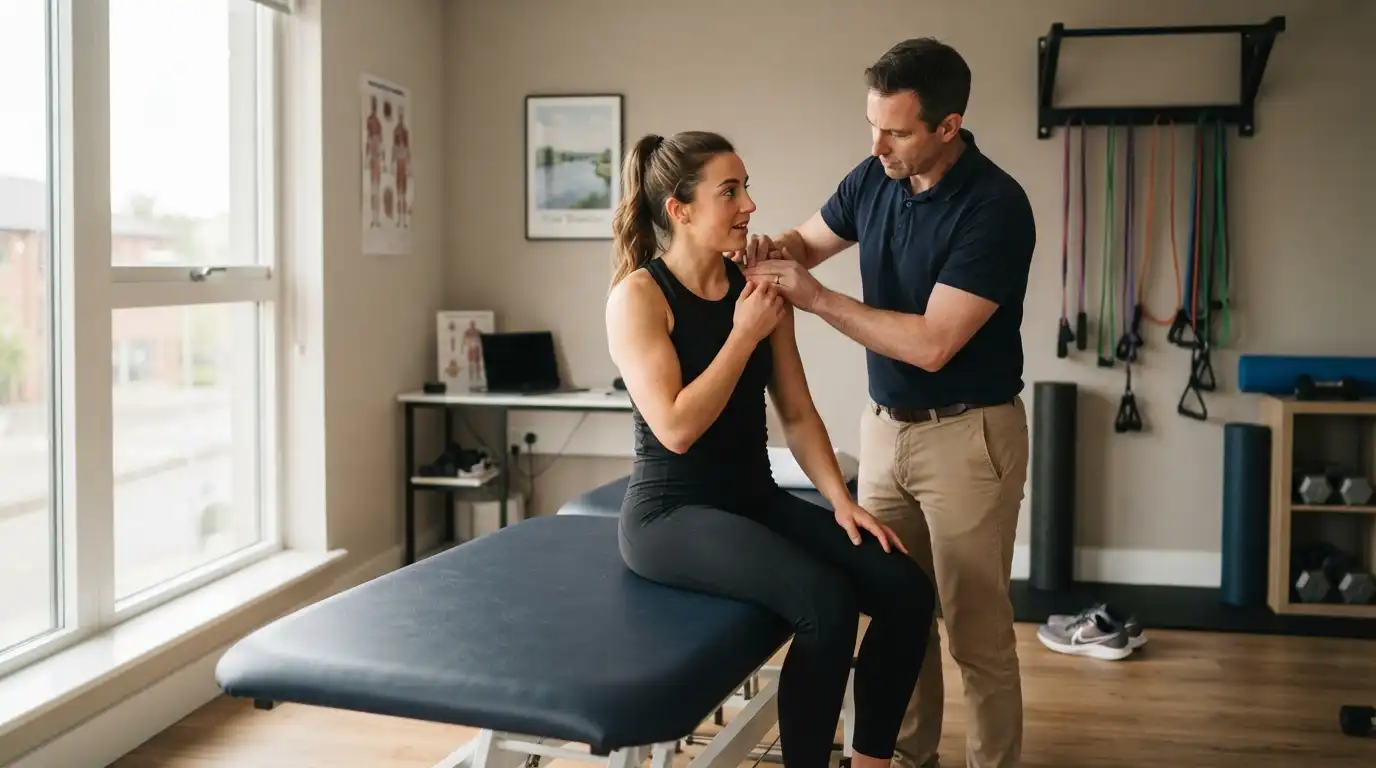
For people searching for a sports injury chiropractor in Limerick, the goal is usually more than temporary pain relief. Active individuals often want to understand what is causing their discomfort, restore comfortable movement, rebuild confidence, and return to their usual activities without unnecessarily rushing the recovery process.
This guide explains what sports injury chiropractic care may involve, the types of problems active people commonly experience, what to expect from an assessment, and how rehabilitation and injury prevention can support a sustainable active lifestyle.
What Is Sports Injury Chiropractic Care?
Sports injury chiropractic care focuses on musculoskeletal problems that can affect movement, comfort, mobility, and physical performance. Depending on the individual’s symptoms and assessment, care may involve manual techniques, movement advice, rehabilitation exercises, mobility work, and recommendations for modifying activities while the body recovers.
The appropriate approach depends on the nature and severity of the injury. A good assessment should therefore come before deciding which treatment or rehabilitation strategy is suitable.
This is particularly important for active people because the same symptom can have different causes. Knee discomfort in a runner, for example, may require a different approach from shoulder pain experienced by someone involved in strength training.
Why Active People Seek Sports Injury Care in Limerick
Regular exercise places repeated demands on muscles, tendons, joints, ligaments, and other structures involved in movement. Training errors, sudden increases in workload, poor recovery, accidents, repetitive movements, and inadequate preparation can all contribute to discomfort or injury.
Some people seek professional help immediately after an injury, while others wait until pain begins affecting their training or daily routine. Early assessment can help establish what is happening and whether additional medical evaluation is appropriate.
Limerick has an active sporting community, with people participating in running, football, rugby, hurling, cycling, gym training, athletics, and many other activities. The city’s broader sports and fitness environment also makes injury prevention and recovery an important part of maintaining an active lifestyle.
Common Sports Injuries That May Affect Active People
Sports injuries can range from relatively minor strains to problems requiring specialist medical assessment. Common complaints among physically active people include:
- Muscle strains and soreness
- Ligament sprains
- Knee discomfort
- Ankle injuries
- Shoulder pain
- Hip and groin problems
- Back and neck discomfort
- Tendon-related pain
- Overuse injuries
- Exercise-related mobility problems
The symptoms alone do not always reveal the underlying cause. Persistent, severe, or worsening symptoms should be professionally assessed rather than managed indefinitely through self-treatment.
Sports Injury Assessment: Why It Matters
A useful sports injury assessment should consider more than where the pain is located. A practitioner may want to understand when the symptoms began, what activity caused or aggravated them, previous injuries, training habits, movement patterns, and how the problem affects everyday activities.
This broader picture can help determine an appropriate management strategy and whether another healthcare professional or diagnostic service should be involved.
For athletes, assessment can also consider the specific demands of their sport. A football player, runner, swimmer, and weight-training enthusiast may place very different stresses on the body even when they report discomfort in the same general area.
How Chiropractic Care Can Fit Into Sports Injury Recovery
Chiropractic care may form one component of a wider recovery plan for appropriate musculoskeletal conditions. Depending on the assessment, treatment may focus on improving movement, addressing musculoskeletal restrictions, reducing discomfort, and helping the individual gradually return to normal activity.
Recovery should not be viewed simply as removing pain as quickly as possible. The body may need time to regain strength, mobility, coordination, and tolerance for the demands of a particular sport.
For this reason, hands-on care may be combined with exercise, rehabilitation, education, activity modification, and gradual progression back toward normal training.
When Physiotherapy and Chiropractic Care May Work Together
Sports injury recovery can involve several areas of healthcare. Chiropractic care and physiotherapy may have overlapping goals, but the specific assessment and treatment approach can differ between practitioners.
For more complex injuries, coordinated care can be useful when different professionals contribute to assessment, rehabilitation, strength development, or return-to-sport planning.
People looking for additional information about sports-related treatment can also explore related resources on sports injury care while considering the most appropriate professional for their individual needs.
Sports Injury Recovery for Runners
Running places repetitive loads on the lower limbs and can expose runners to problems involving the feet, ankles, shins, knees, hips, and surrounding muscles and tendons.
Runners may benefit from paying attention to training volume, recovery periods, footwear, running surfaces, strength, mobility, and gradual progression. When pain persists or changes the way you run, professional assessment can help determine whether continuing to train is appropriate.
Limerick’s wider active lifestyle environment also provides opportunities for people to participate in different forms of exercise. Resources such as Ireland travel and activity guides can complement an active lifestyle by highlighting destinations and outdoor experiences, although travel should always be adapted to your current physical condition.
Recovery for Football, Rugby, and Field-Sport Athletes
Field sports can involve sprinting, sudden changes of direction, jumping, contact, acceleration, and deceleration. These demands can place considerable stress on the lower limbs and other parts of the musculoskeletal system.
A return-to-sport plan should therefore consider more than whether pain has reduced. Athletes may need to progressively rebuild strength, movement confidence, conditioning, and tolerance for sport-specific activities.
This is especially relevant for athletes who want to return to competitive activity rather than simply resume everyday movement.
What to Expect During a Sports Injury Appointment
Your first appointment will generally begin with a discussion about your symptoms and physical activity. You may be asked about when the problem started, what makes it better or worse, your training routine, and any relevant previous injuries.
A physical assessment may then examine movement, strength, mobility, and other factors relevant to the complaint. The findings can help determine whether conservative care is appropriate or whether further assessment is necessary.
Ask questions if you do not understand the proposed treatment or recovery plan. Knowing what you can safely do during recovery can help you make better decisions about training and everyday activity.
How to Choose a Sports Injury Chiropractor in Limerick
Choosing a practitioner should involve more than searching for the first available appointment. Consider whether the professional has experience with musculoskeletal and sports-related problems relevant to your activity.
You may also want to ask about:
- The assessment process
- Experience with sports injuries
- How rehabilitation is incorporated into care
- When referral to another healthcare professional may be recommended
- How return to activity is managed
- What you can expect during follow-up appointments
A transparent practitioner should be willing to explain the purpose of treatment and help you understand the broader recovery process.
Active Lifestyle and Injury Prevention
Injury prevention does not mean eliminating every risk associated with sport. Instead, it can involve managing training demands and preparing the body for the activities you want to perform.
Useful habits can include progressive training, adequate recovery, appropriate warm-ups, strength development, mobility work, and paying attention to persistent symptoms.
People who regularly combine exercise with travel should also consider how long journeys, unfamiliar activities, and sudden increases in physical activity can affect their bodies. Planning ahead can help prevent a recreational trip from turning into an avoidable setback.
Building a Sustainable Return to Activity
One of the most common mistakes after an injury is trying to return to the previous training level immediately. A better approach is often to progress gradually according to symptoms, recovery, strength, and the demands of the activity.
For example, returning to walking comfortably does not automatically mean the body is ready for sprinting, competitive football, heavy lifting, or long-distance running. Each stage places different demands on the body.
A structured return-to-activity plan can help active people rebuild capacity without treating the disappearance of pain as the only measure of readiness.
When You Should Seek Additional Medical Assessment
Not every sports injury is appropriate for chiropractic or conservative care alone. Serious trauma, suspected fractures, significant swelling, neurological symptoms, severe or rapidly worsening pain, loss of function, or other concerning symptoms may require prompt medical assessment.
If an injury occurred through significant trauma or you are unsure about its severity, seek appropriate medical advice rather than attempting to diagnose it yourself.
Sports, Wellness, and an Active Lifestyle in Limerick
Maintaining an active lifestyle is about more than recovering from individual injuries. It also involves finding sustainable ways to move, exercise, relax, and participate in activities you enjoy.
For people interested in broader lifestyle and activity ideas, GalleryDaily also covers destinations and experiences such as places to visit in Ireland, places to visit in Dublin, and places to visit in Edinburgh.
Other travel resources, including less crowded places to visit in Europe, places to visit in Canada, and interesting places to visit in Thailand, can provide inspiration for active travelers once they are physically ready for travel.
Frequently Asked Questions
What does a sports injury chiropractor in Limerick do?
A sports injury chiropractor assesses appropriate musculoskeletal complaints and may use hands-on care, movement advice, rehabilitation exercises, and activity guidance as part of an individualized recovery plan.
Can chiropractic care help with sports injuries?
Chiropractic care may be appropriate for some musculoskeletal problems. The suitability of treatment depends on the specific injury, symptoms, medical history, and assessment.
Should I stop exercising after a sports injury?
Not necessarily. The appropriate activity level depends on the injury and its severity. Some conditions may benefit from modified activity, while others require rest or further medical assessment.
How long does a sports injury take to recover?
Recovery time varies considerably depending on the type and severity of the injury, individual factors, treatment, rehabilitation, and the demands of the activity you want to return to.
Can sports injury care help prevent future injuries?
Injury management can include education, rehabilitation, strength development, mobility work, and strategies designed to improve physical capacity and reduce avoidable risk factors.
When should I see a sports injury professional?
Consider professional assessment when pain persists, affects normal movement or training, repeatedly returns, or prevents you from participating in activities you normally enjoy.
Final Thoughts
Finding the right sports injury chiropractor in Limerick can be an important step for active people dealing with musculoskeletal discomfort or trying to return to exercise after an injury. The most useful approach is not simply to focus on short-term symptom relief but to understand the problem, choose appropriate care, and gradually rebuild the capacity needed for your lifestyle.
Whether you are a recreational athlete or participate competitively, professional assessment and a sensible rehabilitation strategy can help you make more informed decisions about your recovery. When symptoms are severe, persistent, or concerning, appropriate medical assessment should take priority.