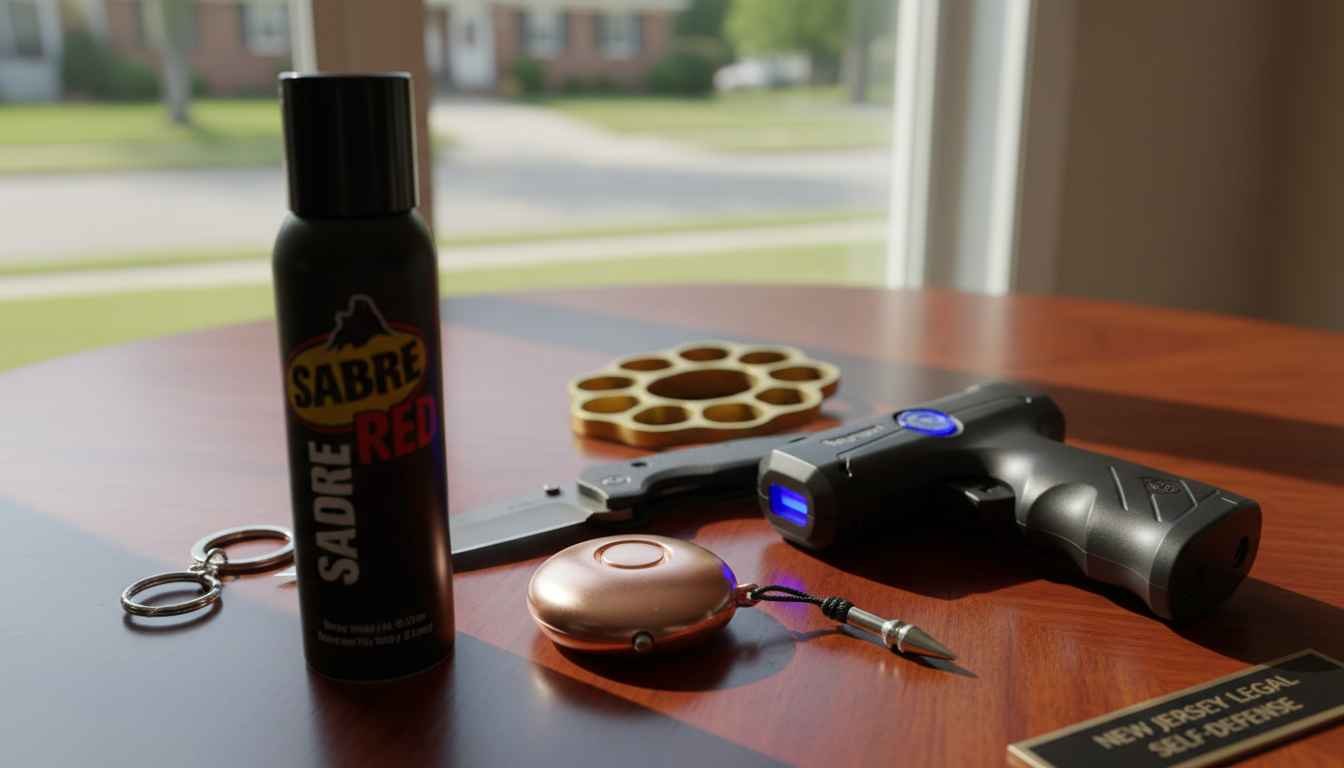
Imagine waking up tomorrow and realizing you need to protect yourself in a situation where help is not immediately available. In New Jersey, self-defense laws are strict, and understanding which weapons are legal – and under what circumstances – can make the difference between staying safe and facing criminal charges.
Before we dive into the specific tools and their legality, it’s important to note that this article is meant to inform, not provide legal advice. Laws are subject to change, and local enforcement may interpret statutes differently. For personalized guidance, consult a licensed attorney. Our discussion is unbiased, but as a law firm-backed platform, we maintain a professional perspective on legal self defense. After reading the first section, you can explore more resources at Mtlawms.
Understanding New Jersey Self-Defense Laws
New Jersey’s self-defense laws operate under a strict standard. The state allows the use of force only when a person reasonably believes it is necessary to protect themselves from imminent harm. Using weapons to preemptively strike someone can result in serious legal consequences. Therefore, knowing which tools are legally permitted and how they can be used is essential.
Generally, New Jersey prohibits carrying weapons like handguns, certain knives, or firearms without proper permits. Self-defense items must meet specific legal criteria. Penalties for illegal possession can include fines, criminal records, and even jail time. This strict approach aims to reduce violent confrontations while still allowing citizens to defend themselves when genuinely threatened.
Common Legal Self-Defense Weapons in NJ
1. Pepper Spray
Pepper spray is legal in New Jersey under certain conditions. You must be at least 18 years old, and the spray can only be used for personal protection. The size and chemical composition of the spray are regulated, so it’s important to purchase from reputable sources. Remember, using it offensively or in a non-threatening situation can lead to criminal charges.
2. Stun Guns and Tasers
Stun guns and tasers are legal but regulated. You must not have a criminal record involving violent offenses to carry one. Using them outside self-defense circumstances, such as during an argument, can escalate legal consequences. Always verify that your device complies with NJ statutes regarding voltage and design.
3. Personal Alarms
While not a weapon in the traditional sense, personal alarms are fully legal and can be highly effective. These devices emit a loud sound to attract attention and deter potential attackers. Their legality is unrestricted, making them a practical and safe choice for individuals of any age.
4. Tactical Flashlights
Heavy-duty tactical flashlights can be used for both illumination and self-defense. Their legality is generally unquestioned, provided you use them solely for defense. A sudden, bright light can disorient an attacker, giving you crucial seconds to escape.
Weapons That Are Illegal in NJ
Certain items are strictly prohibited, including:
- Firearms without a permit
- Gravity knives or switchblades
- Brass knuckles
- Explosives or chemical weapons
Possession of these items, even with the intent of self-defense, can result in severe criminal charges. Ignorance of the law is rarely a valid defense, so avoiding these items entirely is the safest route.
Reality Check: Expectation vs Reality
Expectation: You might imagine that carrying a stun gun or pepper spray will make you fully invincible in dangerous situations.
Reality: While these tools provide a layer of security, they are not foolproof. Training, situational awareness, and legal knowledge are equally important. Misuse can turn a defensive act into a criminal offense.
Potential Drawbacks
Even legal self-defense weapons carry risks. Accidental discharge, misuse during an argument, or a weapon being taken by an attacker can escalate situations dangerously. Individuals with a history of impulsivity or anger management issues should carefully consider whether carrying a weapon is appropriate.
Who Should Avoid This?
People under 18, individuals with certain criminal convictions, or those unable to safely handle defensive tools should avoid carrying self-defense weapons. In some cases, non-weapon strategies, such as personal alarms, self-defense training, or escape techniques, are safer and more effective.
Safe Practices for NJ Residents
1. Stay informed: Laws change, and understanding current regulations is crucial. Consult official NJ legal sources or attorneys before acquiring any self-defense tool.
2. Choose compliant weapons: Always ensure devices like pepper spray or stun guns meet state specifications.
3. Train properly: Familiarize yourself with your self-defense tools, but also practice non-violent avoidance techniques.
4. Document and justify use: If you ever must use a weapon, being able to show it was a reasonable act of self-defense can influence legal outcomes.
Conclusion
Legal self-defense in New Jersey requires balancing protection with compliance. Pepper spray, stun guns, personal alarms, and tactical flashlights are viable options, but their effectiveness is amplified only when combined with awareness, training, and adherence to law. Avoid prohibited weapons and carefully consider potential drawbacks before carrying any defensive tool. Staying informed and cautious ensures you protect yourself without inadvertently creating legal risks.