For students, parents, educators, and professionals, understanding the role of educational agencies can make it easier to identify the right learning pathway. From early childhood programs to career-focused development, these organizations help people move from basic learning toward academic, professional, and personal growth.
What Are Agencies of Education?
Agencies of education are organizations or institutions that contribute to the education process. Their responsibilities can vary significantly. Some provide direct instruction, while others establish policies, offer guidance, connect students with opportunities, or support educational institutions.
Common examples include public education departments, schools, colleges, universities, private educational organizations, training providers, educational consulting agencies, nonprofit groups, and professional development organizations.
Their shared purpose is to create opportunities for learning. However, each agency may serve a different stage or need. For example, an organization may focus on early childhood learning, while another may help students prepare for professional careers.
Major Types of Educational Agencies
1. Government Education Agencies
Government agencies play an important role in developing education systems. They may establish standards, oversee public schools, administer programs, allocate resources, and create policies designed to improve access to education.
These agencies can influence everything from curriculum requirements to teacher standards and student-support initiatives. Their work creates the framework within which many educational institutions operate.
2. Schools and Academic Institutions
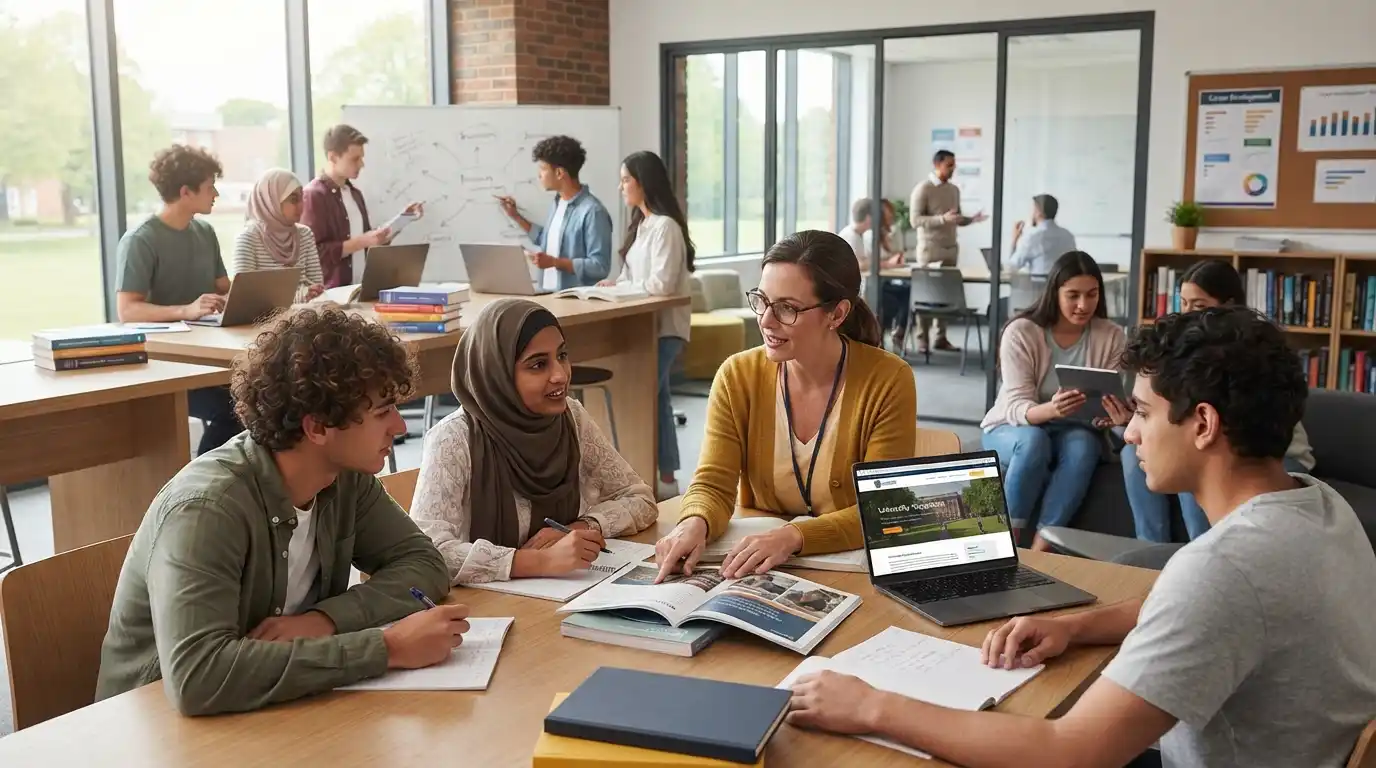
Schools, colleges, universities, and other academic institutions are among the most visible agencies of education. They provide structured learning environments where students develop academic knowledge, communication skills, critical thinking, and subject-specific abilities.
Educational opportunities can differ according to age and career objectives. For example, students interested in working with younger children may explore an early childhood education degree as part of their academic planning.
3. Educational Counseling and Support Organizations
Not every learner knows which academic or career direction to choose. Educational support organizations can help students understand their options, evaluate their strengths, and plan their next steps.
Career-focused guidance is particularly useful for students who want to connect education with a specific profession. The field of educational psychologist jobs, for example, demonstrates how education and behavioral support can intersect in professional settings.
4. Nonprofit and Community Education Organizations
Nonprofit and community organizations can expand access to learning for people who may face financial, geographic, or social barriers. Their programs can include tutoring, literacy initiatives, adult education, mentoring, skills training, and community development.
These organizations often complement formal schools by providing flexible learning opportunities outside traditional classrooms.
Why Agencies of Education Matter
Education works best when different organizations contribute to the learner’s development at different stages. A student may begin with early education, progress through school and higher education, receive career guidance, and eventually participate in professional training.
This creates an educational pathway rather than a single learning experience. Agencies help connect the stages together and provide resources that learners may not be able to access independently.
Reading and independent learning also remain important. For students who enjoy learning through literature, exploring books like Educated can provide another perspective on personal development, resilience, and the transformative potential of knowledge.
Education and Career Development
Modern education increasingly connects academic learning with career preparation. Students want to know how their education can translate into practical skills and employment opportunities.
Educational agencies can support this transition through career counseling, internships, vocational programs, professional qualifications, and skills-based training. Career-oriented educational planning can also help learners identify the qualifications required for specific industries.
Technology has expanded these possibilities further. Digital learning platforms, online courses, virtual classrooms, and technology-based training allow people to develop skills beyond traditional educational settings. Career opportunities within technology companies can also demonstrate how specialized knowledge may lead to professional growth, as seen in discussions of technology careers and opportunities.
The Role of Technology in Modern Education
Technology has changed how educational agencies communicate with students and deliver learning resources. Online registration, digital classrooms, learning management systems, educational applications, and virtual tutoring have made education more flexible.
Technology also allows educators to provide personalized resources. Students can review lessons at their own pace, access digital materials from different locations, and use interactive tools to reinforce difficult concepts.
This relationship between education and technology creates new career pathways as well. Organizations such as technology specialists and business innovation teams illustrate the broader demand for people with technical and analytical skills.
How Students Can Choose the Right Educational Pathway
Choosing an educational pathway should begin with a clear understanding of personal goals. Students should consider their interests, existing abilities, preferred learning environment, financial circumstances, and long-term career objectives.
It is also useful to compare different educational providers rather than selecting the first available option. Accreditation, curriculum quality, student support, practical experience, flexibility, and career outcomes can all influence the value of an educational program.
Students should also consider whether they need traditional classroom education, online learning, vocational training, professional certification, or a combination of approaches.
Education as a Lifelong Process
Education does not end when someone receives a diploma or degree. Professional environments continue to change, creating a need for lifelong learning and skill development.
Professionals may return to education to develop technical abilities, improve communication skills, change careers, or qualify for more advanced positions. This makes educational agencies relevant not only to children and young adults but also to working professionals and lifelong learners.
Career-focused programs can also connect learning with emerging employment opportunities. For example, technology career opportunities demonstrate why continued learning can be valuable as industries evolve.
Challenges Facing Educational Agencies
Despite their importance, educational agencies face several challenges. Access to quality education can vary between communities, while financial limitations may prevent some learners from pursuing preferred programs.
Technology can reduce some barriers, but digital access is not equal everywhere. Educational organizations must therefore consider affordability, accessibility, student support, teacher development, and the changing needs of learners.
Another challenge is keeping educational programs aligned with evolving employment requirements. Organizations need to balance foundational knowledge with practical skills so that learners are prepared for both current and future opportunities.
The Future of Agencies of Education
The future of education is likely to involve greater collaboration between traditional institutions, technology companies, training organizations, government agencies, and community groups.
Hybrid learning may become increasingly common, combining classroom interaction with digital resources. Personalized learning, flexible professional training, and skills-based education can also help people adapt to changing career requirements.
Educational agencies that embrace accessibility, technology, practical learning, and continuous improvement will be better positioned to support learners throughout their educational journeys.
Final Thoughts
Agencies of education create the systems, services, and opportunities that help people learn and progress. From schools and government organizations to nonprofit groups, counseling services, and career-focused institutions, each can contribute to a stronger educational pathway.
For learners, the most valuable approach is to understand available options and choose programs that align with personal goals, abilities, and future ambitions. When education is connected with practical skills and lifelong development, it becomes a powerful foundation for long-term success.